
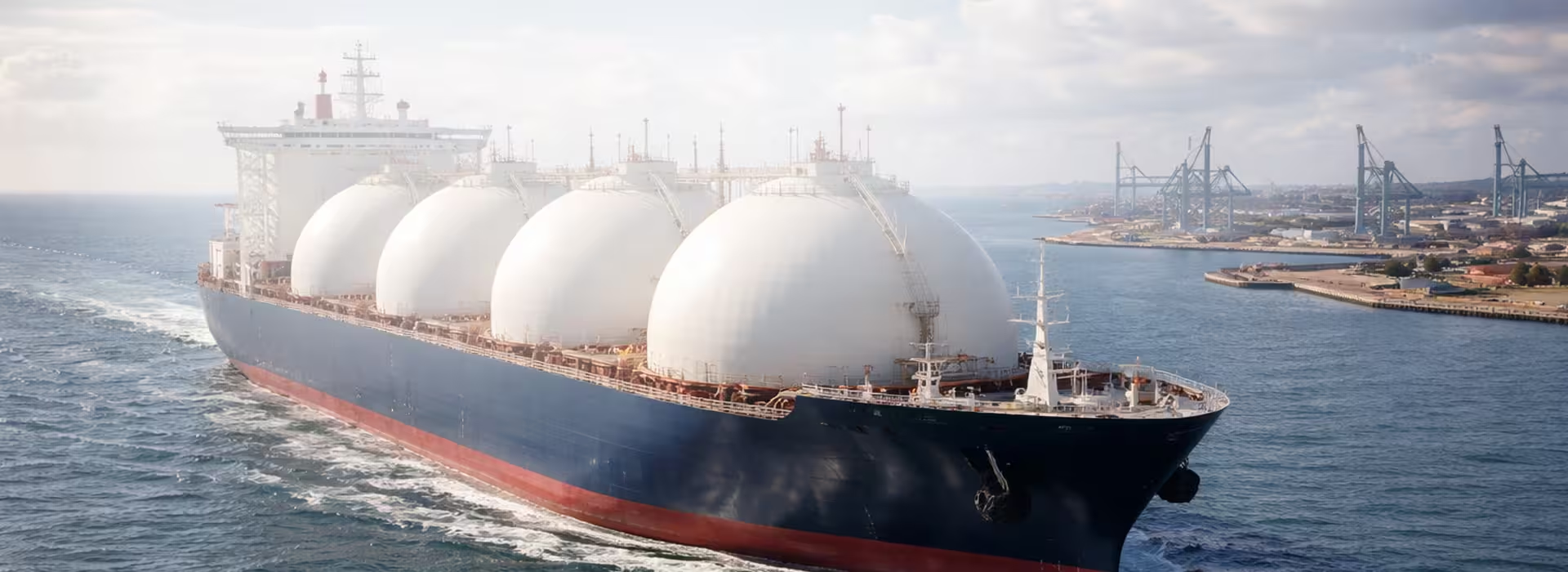
Colombia’s gas decline: a logistics turning point for the energy sector
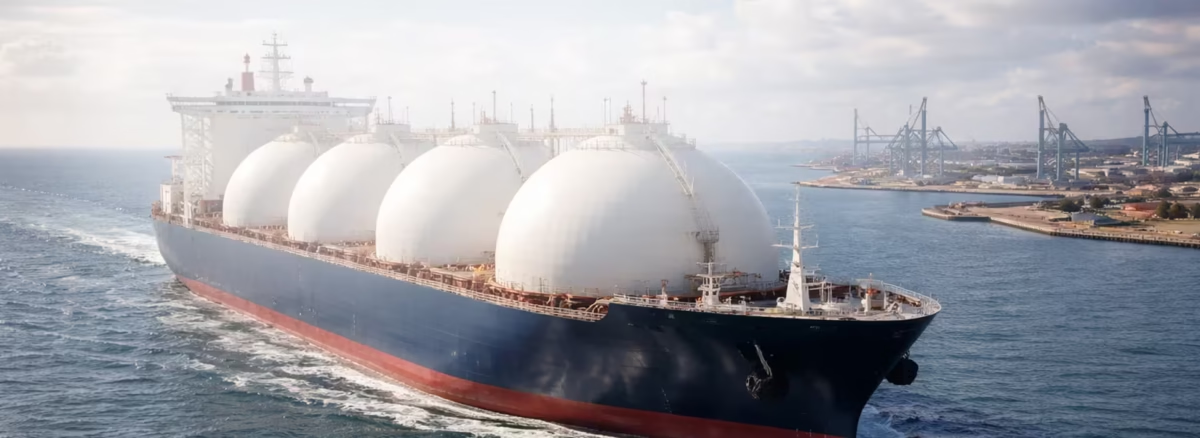
An operational shift, not just an energy one The sustained decline in domestic gas production has structurally reshaped Colombia’s supply model. Imports now represent a significant share of consumption, replacing a system that once relied largely on internal production. Beyond energy implications, this transition represents a fundamental operational shift for…
Colombia will have a new maritime terminal in Ciénaga: logistics implications of rail and road integration
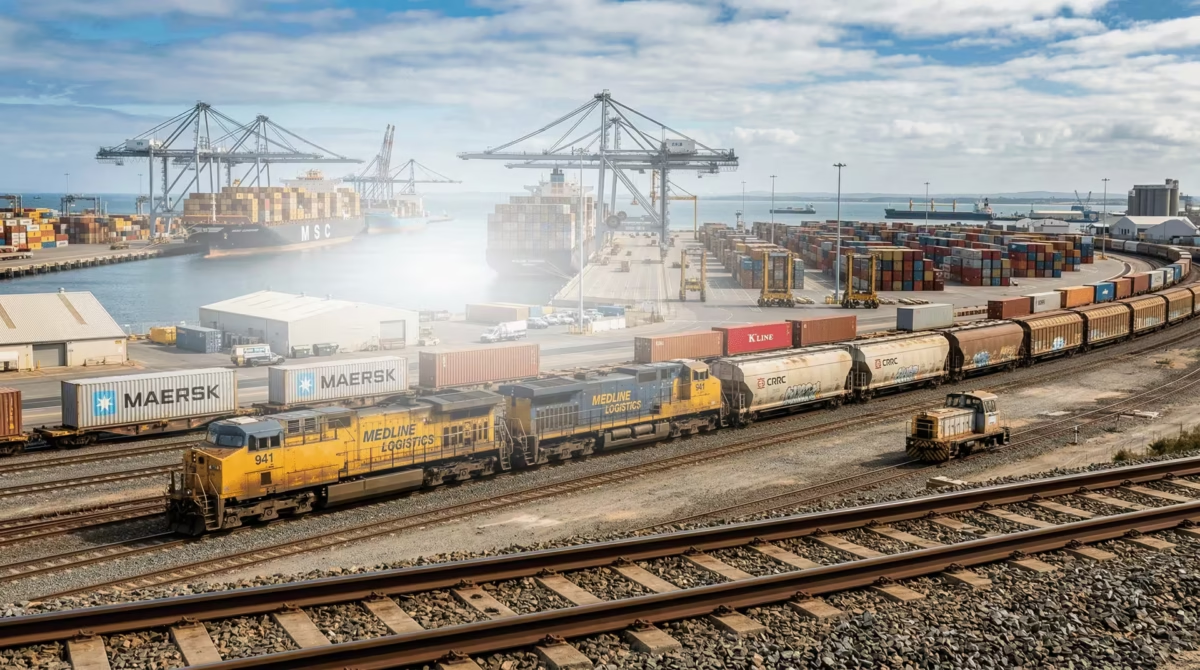
The approval of a new maritime terminal in the municipality of Ciénaga, in Colombia’s Magdalena department, represents a relevant milestone for the country’s logistics infrastructure. The project, which will operate under a 30‑year concession, stands out for integrating maritime, rail, and road transport within a single operational node—an uncommon configuration…
Reopening of the Strait of Hormuz: logistics implications following the U.S.–Iran truce

A critical corridor for global maritime logistics The Strait of Hormuz is one of the most sensitive corridors in international maritime trade. Beyond its geopolitical relevance, its logistics importance lies in the volume of energy cargo and general goods that transit daily through this strategic passage. Following several days of…
Maritime schedule cancellations: how blank sailings impact logistics planning
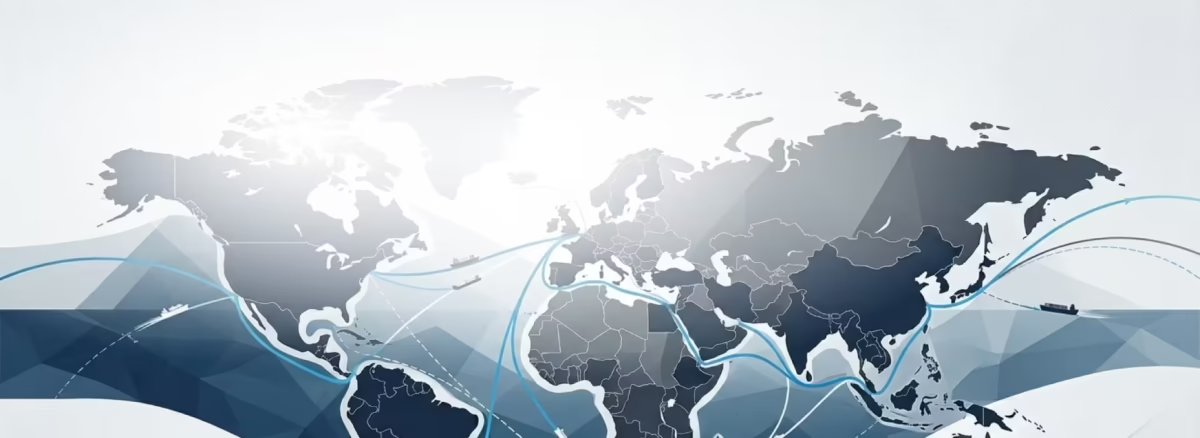
Maritime schedule cancellations, known in the industry as blank sailings, have become a recurring tool used by shipping lines to adjust capacity in response to demand.According to monitoring by the consultancy Drewry, approximately 7% of global sailings scheduled between April and May have been cancelled across the main East–West trade…
Nearshoring in Colombia: logistics implications and real opportunities
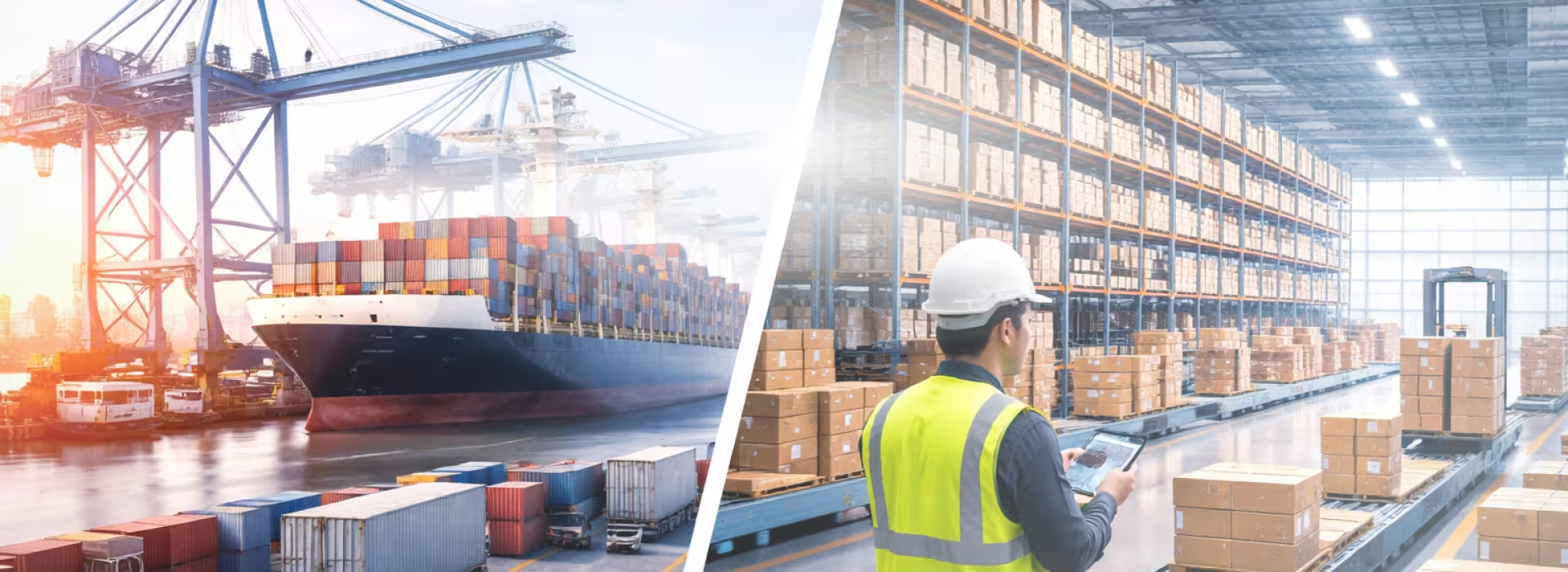
A shift in international trade dynamics Nearshoring has become one of the main trends in foreign trade in recent years. Companies, especially those with operations linked to the United States, are rethinking their supply chains in order to bring production and distribution closer to their end markets. In this context,…
Blockades in Rumichaca lifted, but trade tensions continue
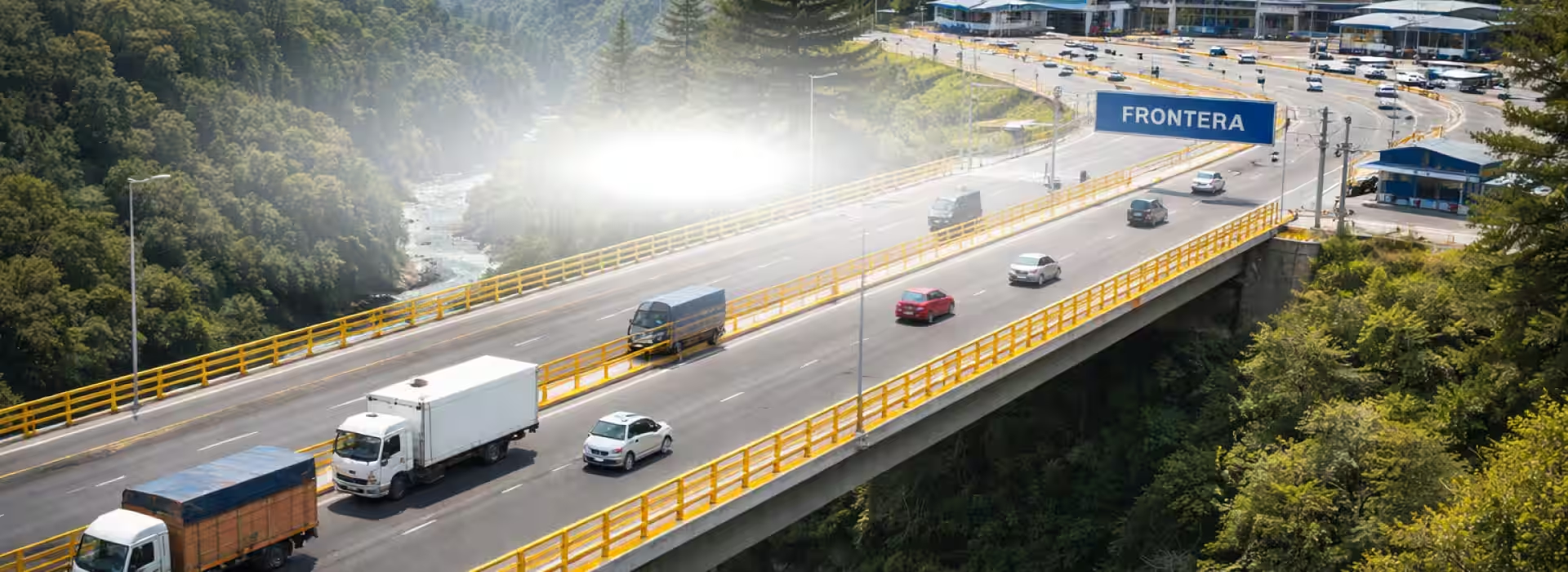
Border crossing begins to normalize while tariff dispute persists The Rumichaca border crossing, the main land connection between Colombia and Ecuador, began to normalize its operations after unions and worker organizations decided to lift the blockades that had restricted traffic in the area for several days. The international bridge, which…
Iran pushes bill to charge tolls in the Strait of Hormuz and raises global logistics concerns

The Iranian Parliament is evaluating a bill that would allow transit fees to be charged to ships navigating through the Strait of Hormuz, one of the most strategic maritime routes for global trade. The initiative emerges amid a scenario of geopolitical tensions and disruptions in maritime traffic in the region….
DIAN Hack: logistical implications and operational continuity

A digital incident that tests operations The National Tax and Customs Directorate (DIAN) recently reported a cybersecurity incident that affected part of its systems. According to what was communicated by the entity and reported by different media outlets, the event was contained without compromising the tax, customs, or foreign exchange…
Hormuz and Bab el-Mandeb: simultaneous pressure on global logistics

Two bottlenecks under increasing tension The situation in the Middle East has escalated to a point where two of the most critical maritime routes for global trade are under simultaneous threat: the Strait of Hormuz and Bab el-Mandeb. On one hand, tensions between the United States and Iran have increased…
The risk of global stagflation and its effects on international logistics

The escalation of the conflict between the United States and Iran has generated strong tensions in energy and financial markets. Economists and analysts warn that this situation could lead to a scenario of global stagflation, a combination of weak economic growth, high inflation, and deterioration in employment. The increase in…