
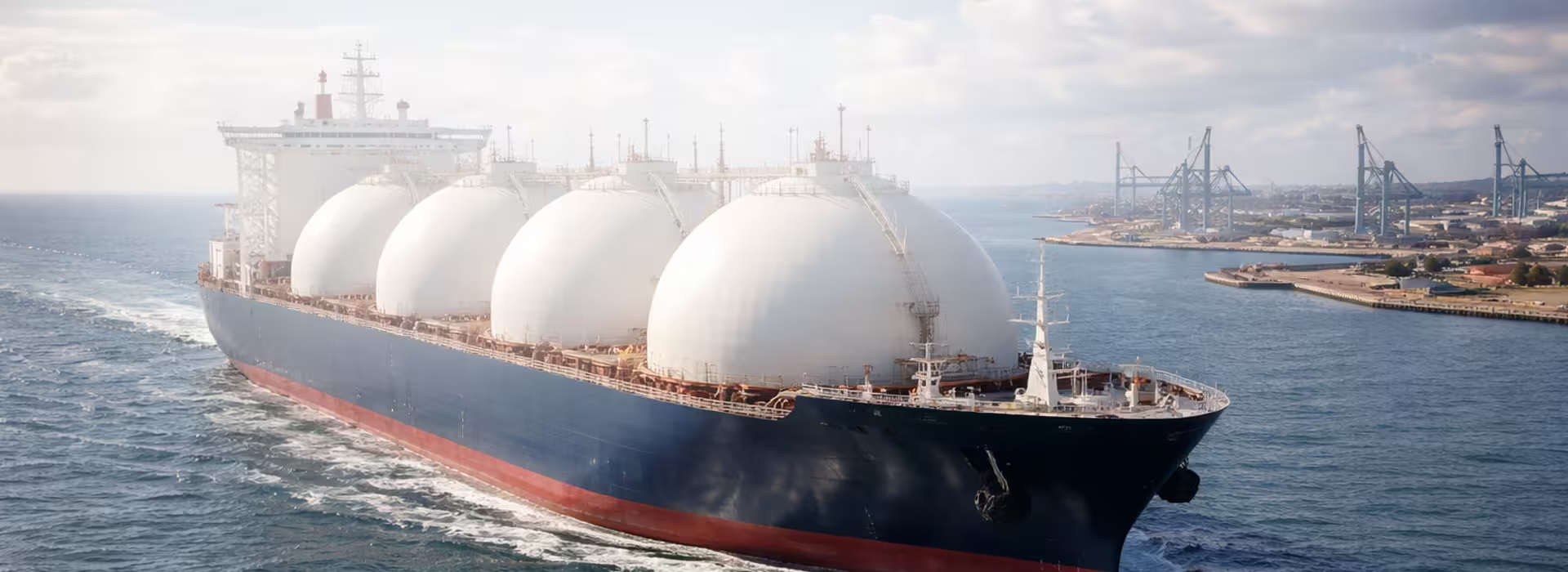
An operational shift, not just an energy one
The sustained decline in domestic gas production has structurally reshaped Colombia’s supply model. Imports now represent a significant share of consumption, replacing a system that once relied largely on internal production. Beyond energy implications, this transition represents a fundamental operational shift for logistics. Gas moves from short, predictable domestic flows into international supply chains with higher exposure, more stakeholders, and far less tolerance for failure.
From domestic flows to global logistics chains
Under a local production model, logistics focuses on distribution efficiency and operational continuity. In an import-dependent scenario, logistics becomes the backbone of the system.
Liquefied natural gas (LNG) introduces a longer and more complex chain involving:
- international sourcing,
- specialized maritime transport,
- technically demanding port infrastructure,
- unloading, regasification, and downstream distribution.
Each stage increases dependency on external coordination and disciplined execution across borders and time zones.
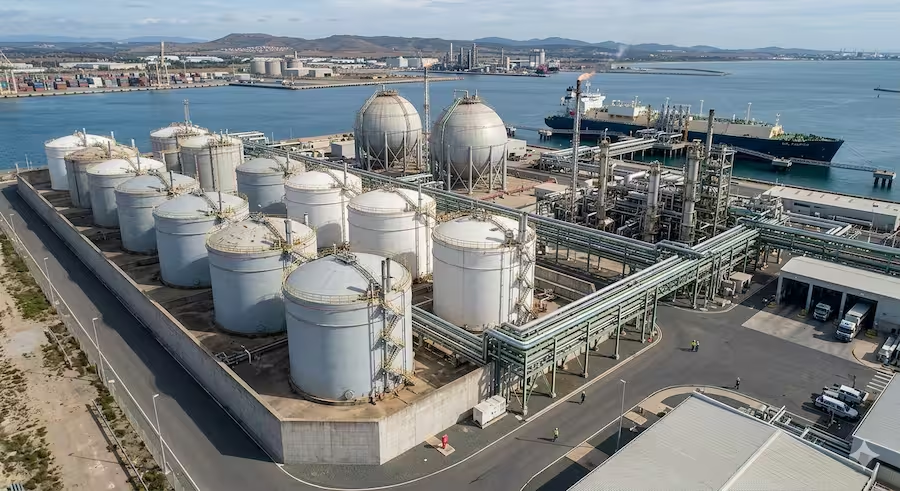
Ports as critical logistics nodes
As LNG imports grow, port infrastructure takes center stage. LNG operations demand strict scheduling, limited berthing windows, and highly synchronized processes.
From a logistics perspective, ports evolve from transit points into critical nodes for supply continuity.
Any disruption—whether berth delays, port congestion, or vessel rescheduling—can quickly propagate downstream, impacting power generation, industry, and end users.
Move your cargo in scenarios where operational precision is key.
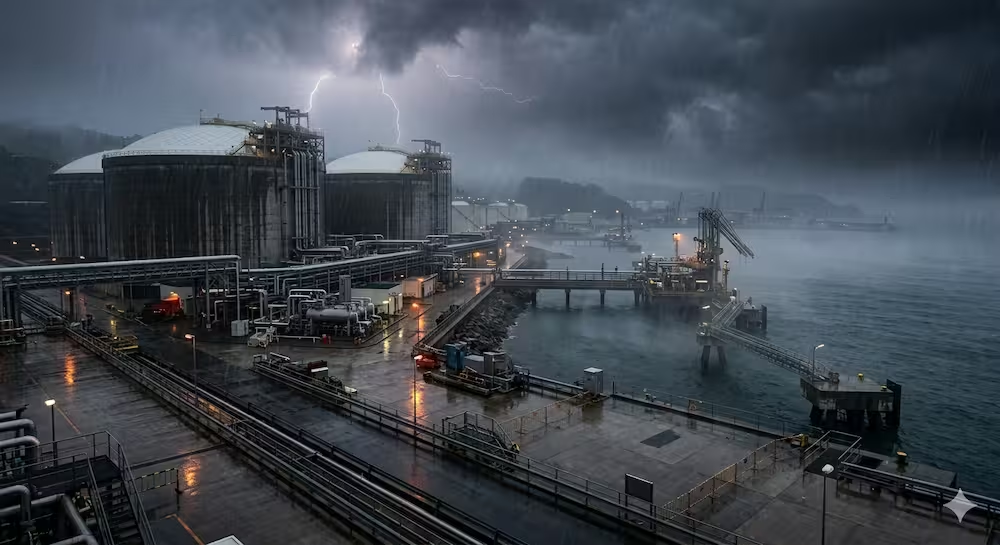
Increased exposure to logistics risk
An extended supply chain naturally increases vulnerability. Factors with limited relevance in a domestic model become decisive:
- availability of LNG carriers,
- maritime weather conditions,
- congestion in international ports,
- longer and less flexible transit times.
Responsiveness decreases as the system relies on long-haul logistics. Adjusting supply flows now requires stronger planning, forward contracts, and robust contingency strategies—core logistics capabilities rather than auxiliary functions.
Climate as a pressure multiplier
Potential climate events such as El Niño add another layer of complexity. Higher gas demand for thermal generation tightens operational margins across the entire logistics chain. From a logistics standpoint, this increases the need for precise arrival planning, tighter inventory management, and seamless coordination between import, discharge, and distribution. Logistics becomes not only a support function but a stability determinant.
Logistics sets the pace when demand increases and the margin of error decreases.
Planning, coordination, and specialized logistics services
Growing import dependency elevates the importance of advanced logistics planning. Shipment scheduling, port coordination, inventory strategies, and risk management require higher levels of integration and specialization.
This environment drives stronger demand for energy-focused logistics services, particularly in:
- LNG port operations,
- maritime transport management,
- critical flow planning,
- operational risk mitigation.
Efficiency is no longer measured solely by cost, but by reliability, anticipation, and resilience.

Conclusion: logistics as a pillar of energy security
Colombia’s changing energy balance not only redefines where gas comes from, but how it must be moved and managed. Logistics becomes a strategic pillar of energy security, directly influencing supply continuity.In this context, organizations capable of building robust, well-coordinated, and adaptive logistics chains will hold a decisive advantage in an environment defined by tighter margins and higher disruption risk.

