

The escalation of the conflict in the Middle East is generating a new wave of disruptions in global trade. The effective closure of the Strait of Hormuz, one of the most important energy and maritime routes in the world, has caused a significant rise in oil prices, massive shipping route diversions and growing pressure on the global container market.
At the same time, the United States is considering temporarily easing some sanctions on Russian oil in an attempt to contain rising energy prices. However, while energy markets seek stability, global logistics chains are facing delays, port congestion and higher transportation costs.
The Strait of Hormuz: a critical maritime trade chokepoint
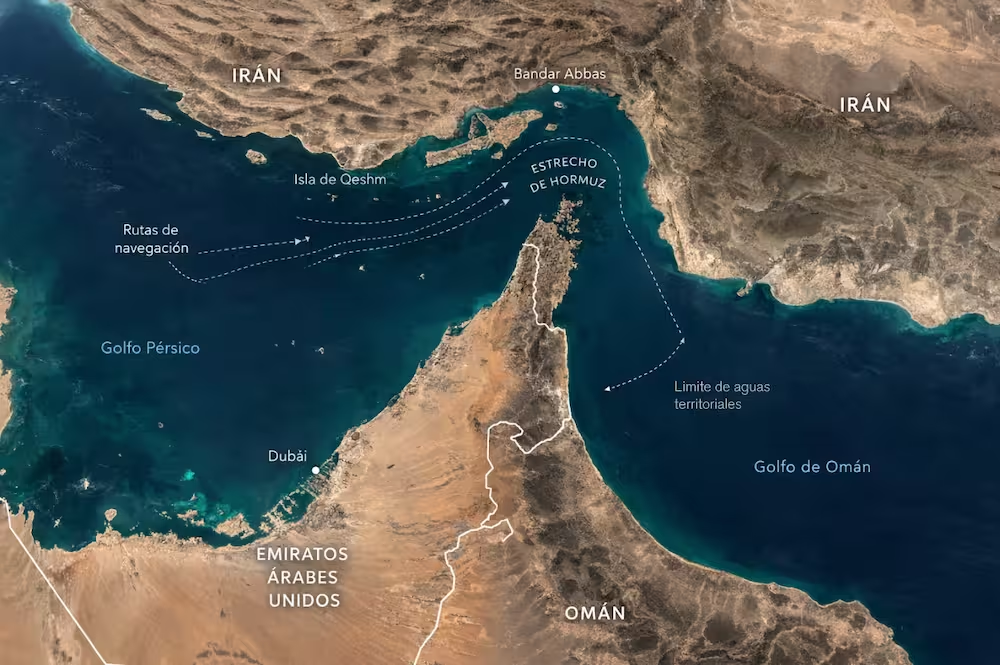
The Strait of Hormuz connects the Persian Gulf with the Indian Ocean and is considered one of the most strategic maritime passages in the world. A significant share of global energy trade passes through this route, along with large volumes of containerized cargo.
The escalation of the conflict in the region has drastically reduced the transit of commercial vessels, creating operational risks and forcing many shipping companies to halt or reroute their operations. In some cases, daily vessel traffic has dropped to minimal levels due to threats of attacks, naval mines and safety risks for crews. This situation has caused numerous vessels to remain stranded in the Gulf while companies evaluate alternative routes or wait for safer navigation conditions.
Entrust your maritime transport to an operator that guarantees safety and continuity
Massive shipping route diversions
One of the most visible effects on global logistics has been the massive increase in shipping route diversions.
Data from logistics analytics platforms shows that ocean freight diversions have increased by more than 360%, rising from about 218 daily diversions to more than 1,000. More than 2,300 diversions were recorded in a single day, the highest level ever observed in the region.
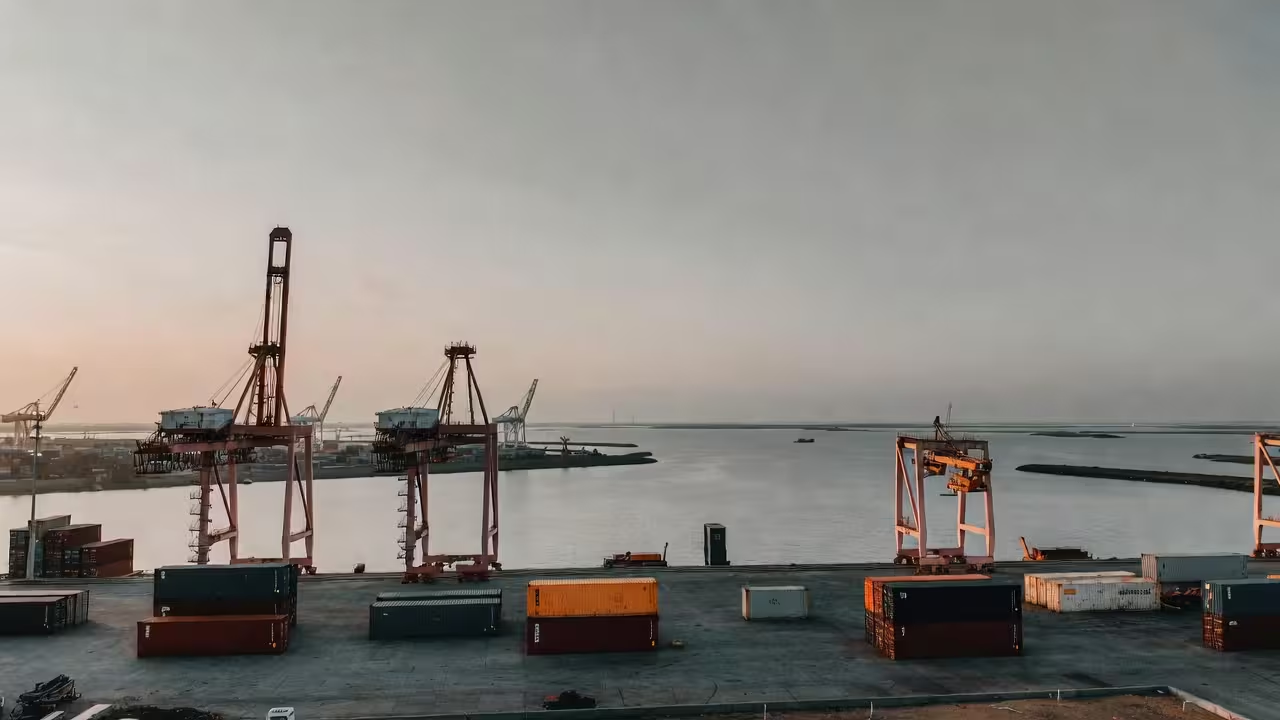
This shift in routes is redirecting vessels to other ports in the Gulf and South Asia, including terminals in the United Arab Emirates, Oman and India. However, this logistical reconfiguration is also creating new bottlenecks. Some ports receiving redirected traffic are already experiencing significant increases in congestion and waiting times for vessel arrivals and departures.
Risk of container shortages and logistics congestion
The abrupt change in routes and disruption of maritime flow is beginning to generate pressure in the container market. When ships are delayed, diverted or waiting for operational instructions, containers also accumulate in certain regions. This can create imbalances between supply and demand for logistics equipment across different markets.
In addition, some shipping lines have suspended bookings to certain Gulf destinations due to operational and security restrictions, further reducing the capacity available for international shipping. This scenario increases the risk of container shortages in certain trade corridors and contributes to longer transit times.
Higher oil prices and rising logistics costs
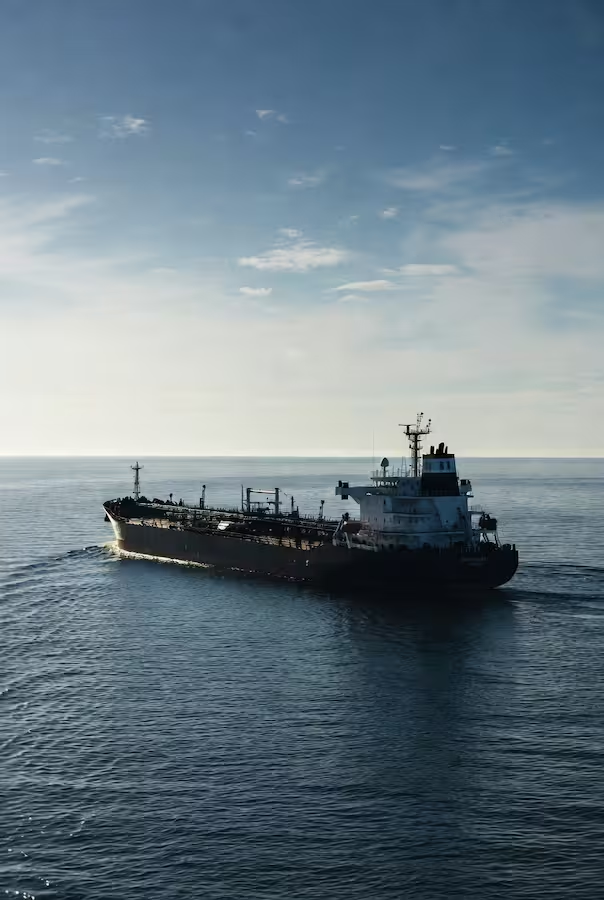
Geopolitical tensions have also pushed oil prices higher, directly impacting ocean freight costs. Marine fuel represents one of the main operational expenses for shipping lines. With crude oil prices rising, some companies have begun applying emergency fuel surcharges to offset their increasing operating costs.
Other factors are also increasing logistics costs:
- higher insurance premiums due to war risks
- longer routes due to diversions
- port congestion at alternative terminals
Together, these factors are pushing ocean freight rates upward and may translate into higher costs for importers and exporters.
Anticipate the impact: optimize your routes and secure your logistics operation today.
Temporary easing of sanctions on Russian oil
Faced with rising energy prices and pressure on global markets, the United States is considering temporarily easing some sanctions on Russian oil. The measure aims to increase global crude supply and reduce the upward pressure generated by tensions in the Middle East. Several reports indicate that this decision could remain in place until the situation surrounding Iran and the Strait of Hormuz stabilizes.
Although this decision focuses on energy markets, its indirect objective is to limit the impact of rising oil prices on the global economy and on transportation costs.
More expensive exports and growing trade uncertainty
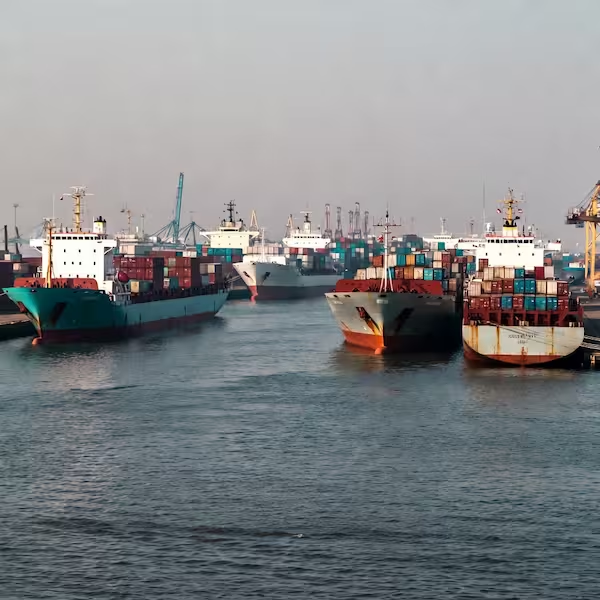
The combination of higher fuel prices, longer routes and port congestion is increasing the cost of moving goods between continents. This particularly affects exports that depend on maritime routes between Asia, Europe and the Middle East, since the closure or risk in the Strait of Hormuz alters an important portion of global traffic.
In practice, companies are facing:
- greater volatility in freight rates
- less predictable transit times
- greater pressure on logistics planning
Logistics outlook remains uncertain
The following section contains speculative analysis based on the facts described above. These interpretations do not represent confirmed information or definitive predictions and should only be understood as potential scenarios derived from the current situation.
If tensions in the region continue, logistical impacts could persist for several weeks or months. Route diversions, port congestion and rising energy costs may continue to pressure international trade. In that context, logistics planning, route diversification and continuous monitoring of geopolitical developments become increasingly important for companies that depend on international maritime transport.
Strengthen your supply chain: diversify routes and secure your operation in the face of uncertainty.
- Suben las tarifas de fletes marítimos con la guerra en Medio Oriente
- The “Hormuz Choke”: How the 2026 Iran Conflict Is Tightening the Secondary Shipping Container Market
- Strait of Hormuz Closure 2026: What It Means for Your Supply Chain and Shipping Routes
- Hormuz Closure Sends Container Shipping Diversions Surging 360%
- US to remove oil sanctions on some countries until Iran situation ‘straightens out’: Trump
- US weighs easing Russian oil sanctions to cool global price surge, sources say
- The US is temporarily lifting sanctions on Russian oil, a key pressure point for the Kremlin’s war chest
- Trump says US ‘destroyed’ mine-laying vessels in Strait of Hormuz; US Navy says escorts not possible – as it happened
- Tensión en Ormuz: EE. UU. e Irán atacan buques; Teherán advierte embestidas contra bancos en la región

