

Strait of Hormuz Reopening: Relief for Shipping, but Full Logistics Normalization Will Take Time

The reopening of the Strait of Hormuz has brought a sense of relief to the global shipping industry. However, it should not be interpreted as an immediate return to normal operations. While the agreement between the United States and Iran allows maritime transit to resume, the operational environment remains uncertain…
Nearshoring in Colombia: logistics implications and real opportunities
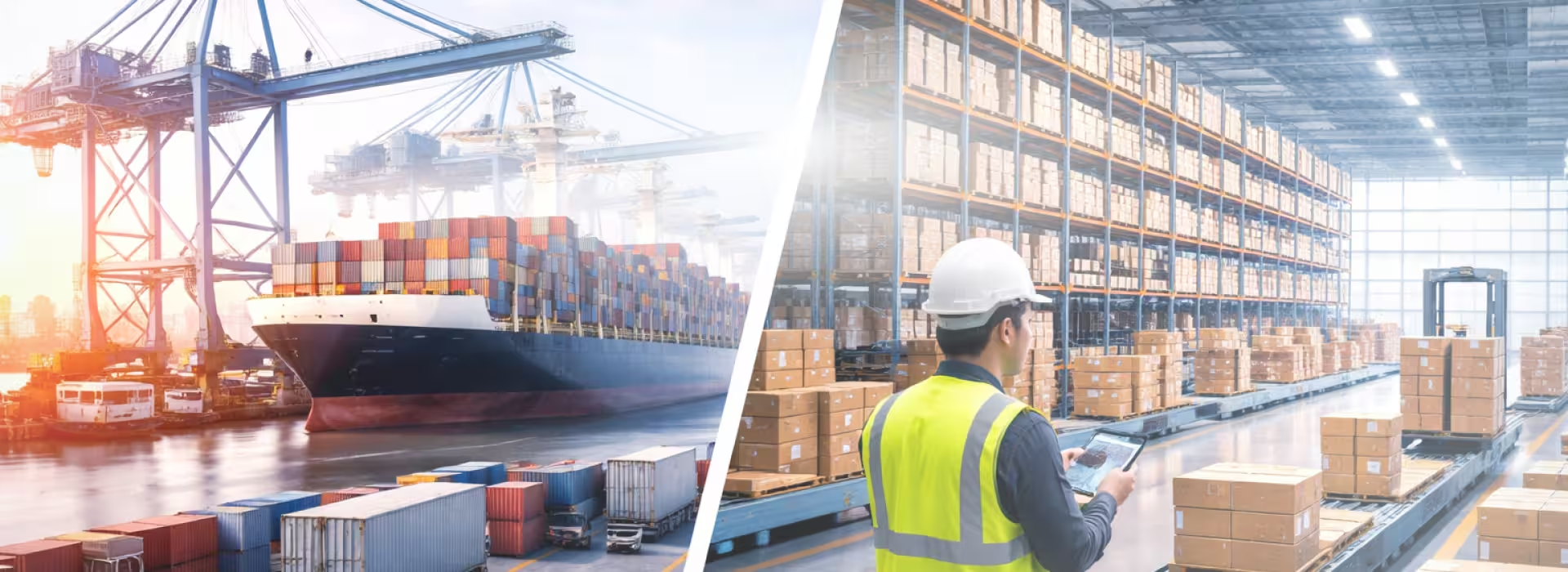
A shift in international trade dynamics Nearshoring has become one of the main trends in foreign trade in recent years. Companies, especially those with operations linked to the United States, are rethinking their supply chains in order to bring production and distribution closer to their end markets. In this context,…
Blockades in Rumichaca lifted, but trade tensions continue
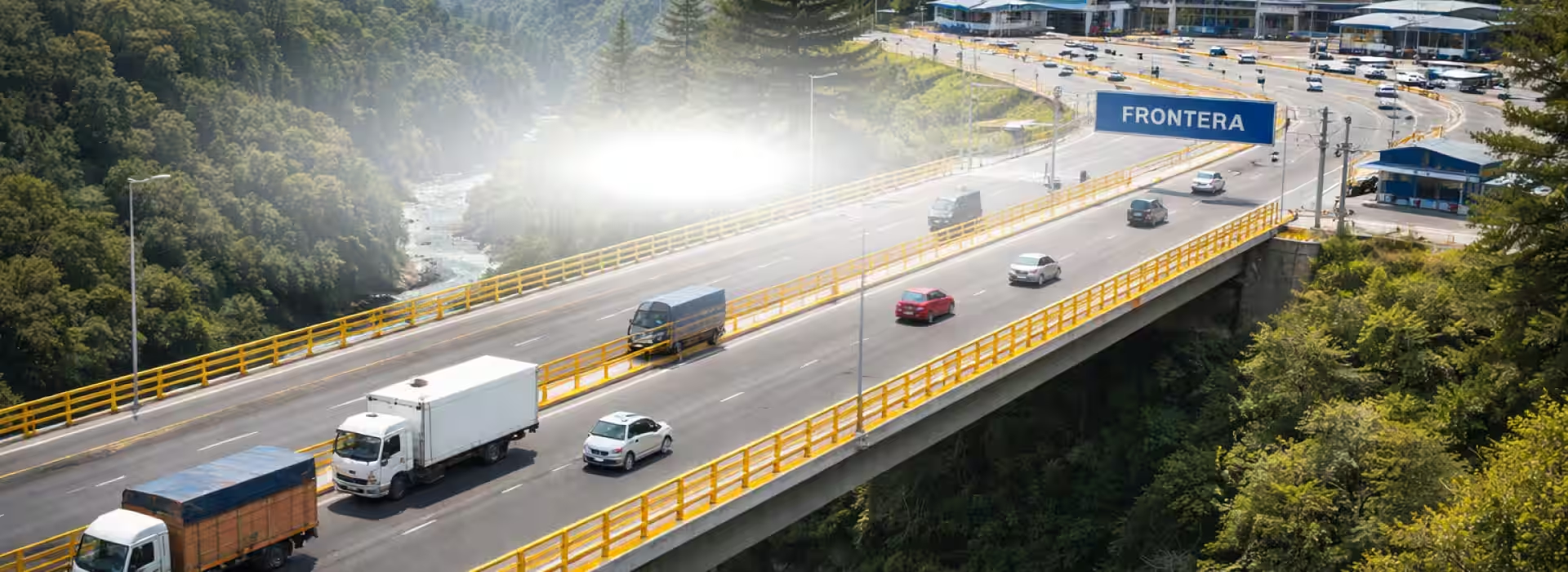
Border crossing begins to normalize while tariff dispute persists The Rumichaca border crossing, the main land connection between Colombia and Ecuador, began to normalize its operations after unions and worker organizations decided to lift the blockades that had restricted traffic in the area for several days. The international bridge, which…
Iran pushes bill to charge tolls in the Strait of Hormuz and raises global logistics concerns

The Iranian Parliament is evaluating a bill that would allow transit fees to be charged to ships navigating through the Strait of Hormuz, one of the most strategic maritime routes for global trade. The initiative emerges amid a scenario of geopolitical tensions and disruptions in maritime traffic in the region….
The risk of global stagflation and its effects on international logistics

The escalation of the conflict between the United States and Iran has generated strong tensions in energy and financial markets. Economists and analysts warn that this situation could lead to a scenario of global stagflation, a combination of weak economic growth, high inflation, and deterioration in employment. The increase in…
Colombia secures access to export Hass Avocado to the Uruguayan market
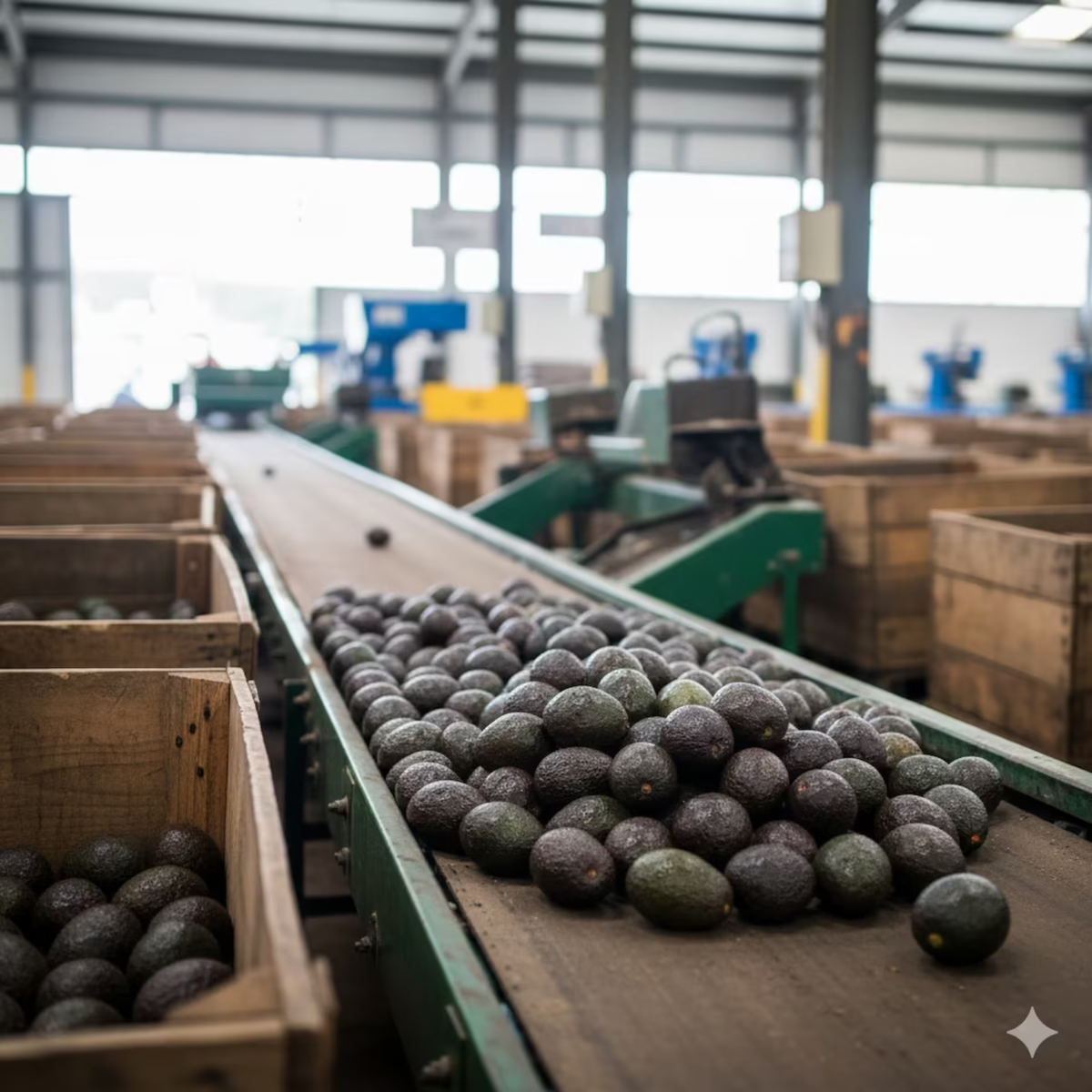
Colombia has just opened a new commercial door for its fresh Hass avocado production: the Uruguay market. After a technical and phytosanitary process with Uruguayan authorities, the neighboring country authorized the entry of this Colombian fruit, representing an important commercial opportunity for national exporters. Official authorization for Colombian exporters The…
Colombia’s Beef Export Opportunity in China
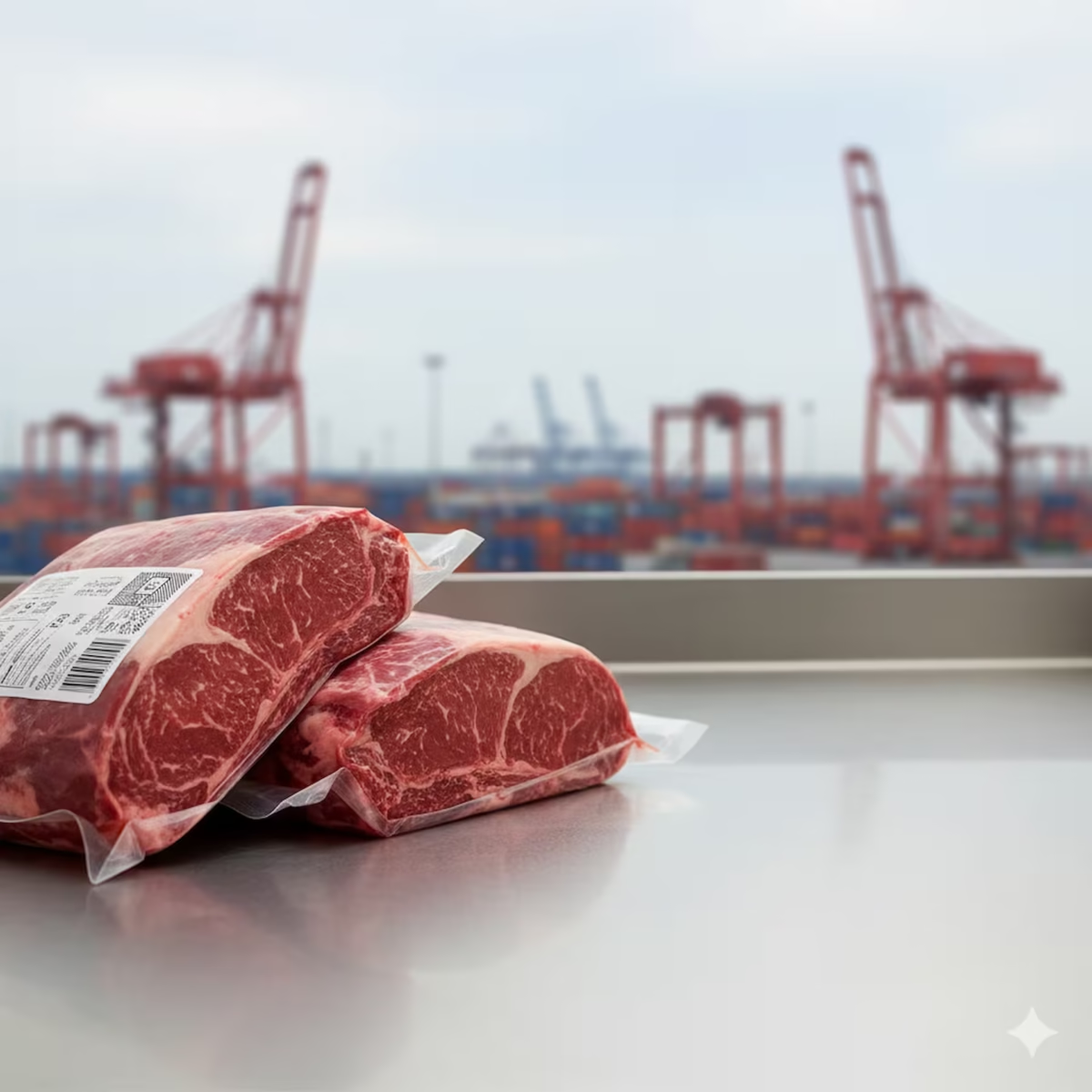
At the beginning of 2026, the global beef market has undergone an important shift that opens a strategic window for Colombia. China, the world’s largest importer of beef, has implemented a system of quotas and tariffs on imports from countries with a high market share, such as Argentina, Brazil, and…
October Surprise: Spot Rates Rebound, but 2026 Remains Under Pressure

After months of decline, spot rates in container shipping took an unexpected turn in October. According to data from Xeneta, major routes from Asia to Europe and the United States saw significant increases: 38% on the U.S. West Coast (USWC), 23% on the East Coast (USEC), 18% to Northern Europe,…
U.S.–China Trade Truce: What Does It Mean for Colombia?
After six years without face-to-face meetings, Presidents Donald Trump and Xi Jinping have agreed to a trade truce that suspends reciprocal port tariffs between both powers for one year. The agreement includes tariff reductions, anti-drug cooperation, agricultural purchases, and partial relief on restrictions related to strategic minerals.Although the deal offers…
Port Tariffs Between the U.S. and China: How Could They Impact Colombia

Global maritime trade is going through a period of high volatility. Rates are erratic, routes shift on the fly, and tensions between the United States and China are reshaping international logistics. Although the spotlight is on the Transpacific, Colombia is not exempt. New tariffs and urgent maneuvers The United States,…