

Ecuador and Colombia Eliminate Tariffs: What Changes for Bilateral Logistics?

The End of 100% Tariffs Comes into Effect As of June 1, the elimination of tariffs of up to 100% that Ecuador had imposed on imports from Colombia has officially taken effect. The measure was formalized by Ecuador’s National Customs Service (SENAE), which revoked the rate implemented during the most…
Venezuela: A Market Returning to the Export Radar from Santa Marta

Logistics, opportunity, and proximity as competitive advantages For years, Venezuela was outside the focus of many Colombian exporting companies. Today, that panorama is changing. The gradual reactivation of binational trade, combined with new operating conditions and stronger business articulation, is restoring Venezuela’s position as a natural export market, especially for…
Maritime schedule cancellations: how blank sailings impact logistics planning
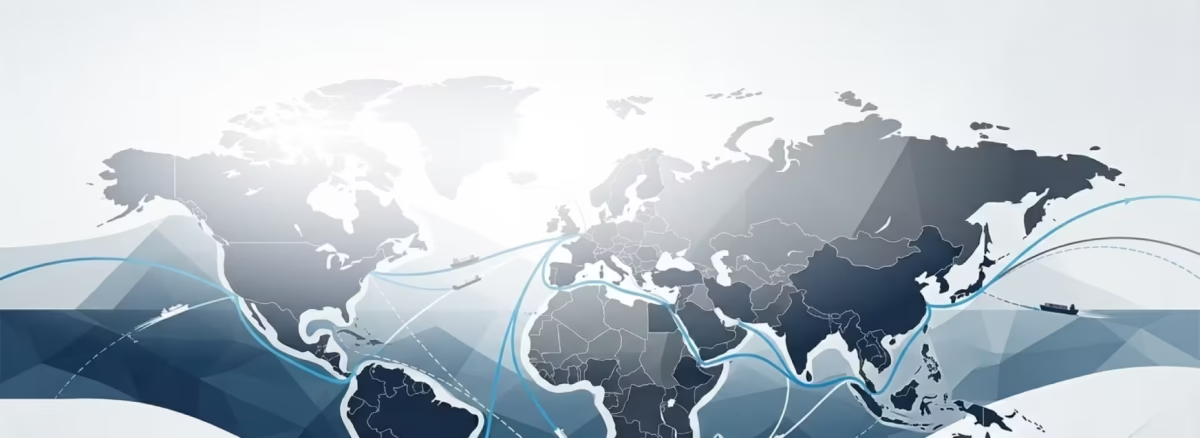
Maritime schedule cancellations, known in the industry as blank sailings, have become a recurring tool used by shipping lines to adjust capacity in response to demand.According to monitoring by the consultancy Drewry, approximately 7% of global sailings scheduled between April and May have been cancelled across the main East–West trade…
Port of Buenaventura: Operational Challenges and Solutions Underway to Improve Logistics

Critical Context in Colombia’s Main Pacific Port In recent weeks, the Port of Buenaventura has been at the center of national attention due to serious difficulties in its logistics operations that have affected transporters, port operators, and the flow of Colombia’s foreign trade. Situations such as lines of more than…
Suspension of the Las Areneras closure: logistical impact in southwestern Antioquia
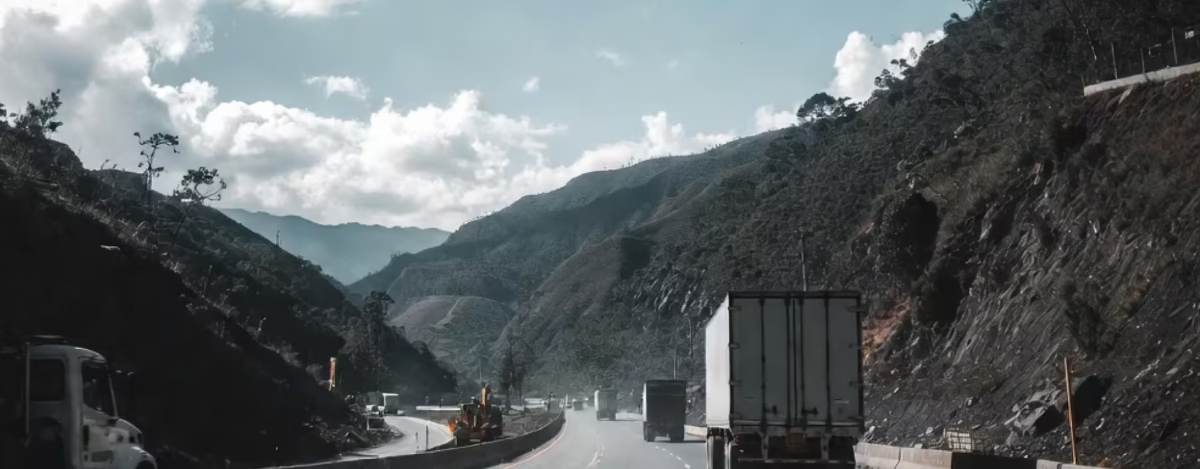
Visual representation created with AI for illustrative purposes.
The rise in fuel prices in 2026 and its direct impact on cargo logistics in Colombia
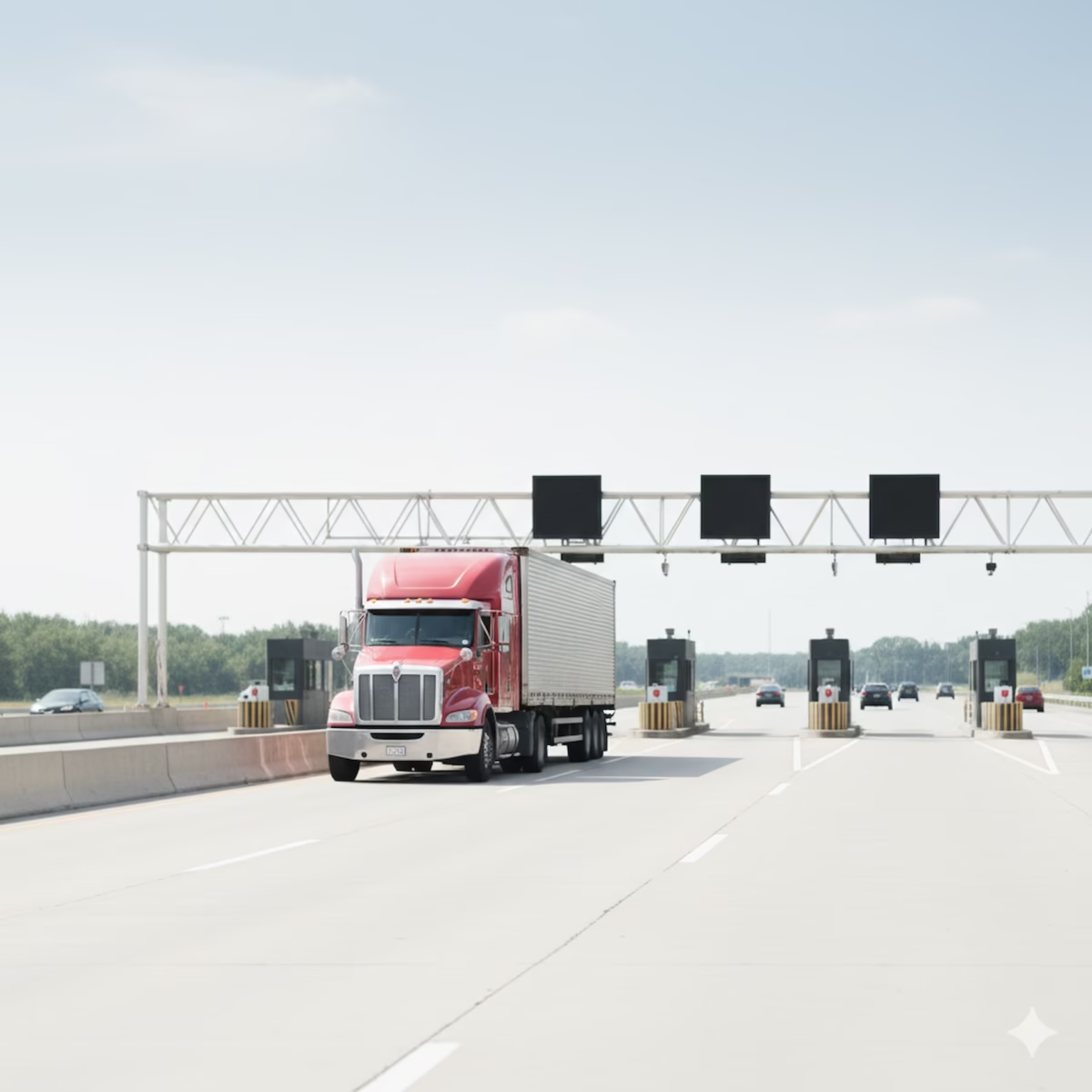
The beginning of 2026 brought a new adjustment to fuel prices in Colombia, a measure with direct effects on logistics operations and road freight transport. According to official information and economic reports, the increase in gasoline and diesel prices adds to other operating costs such as tolls, significantly raising the…
Increase in Brazilian coffee imports to Colombia: a warning for trade and bean traceability

During August, coffee imports from Brazil to Colombia rose by 578%, reaching over 113,000 60-kg bags, according to data from the National Federation of Coffee Growers (FNC).¹This increase is partly due to the new 50% tariffs imposed by the United States on Brazilian coffee, while Colombian coffee maintains a 10%…