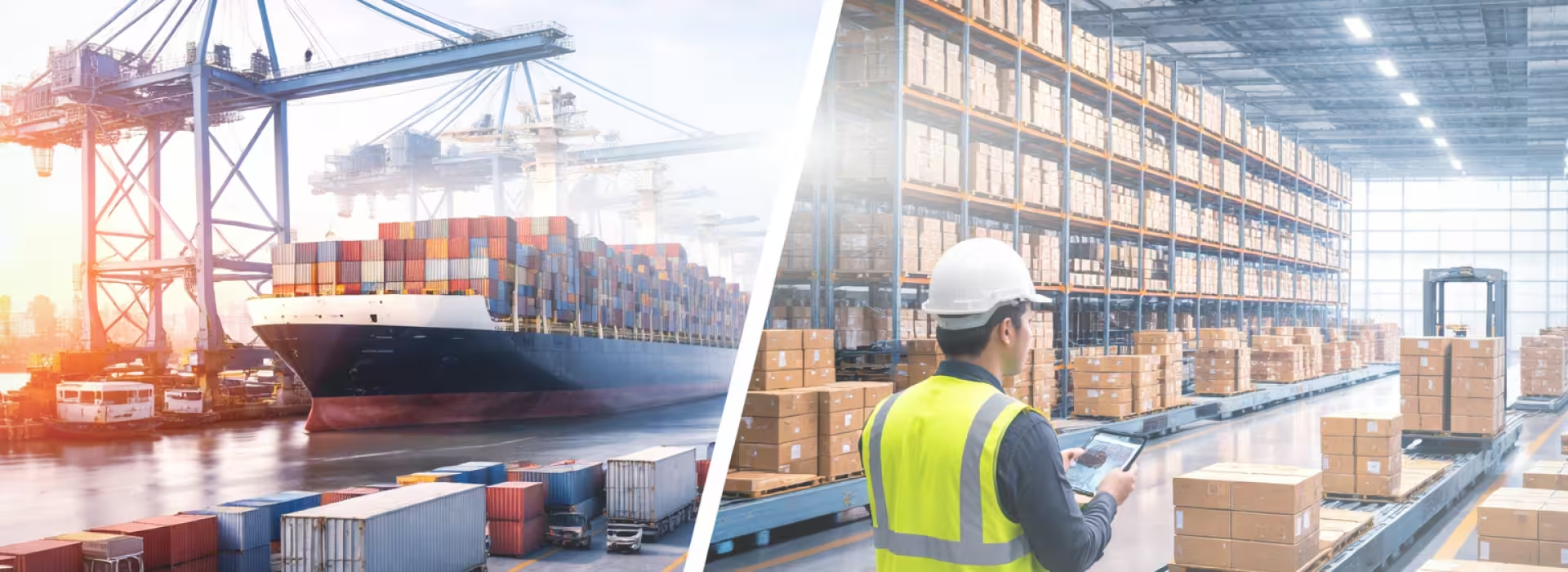
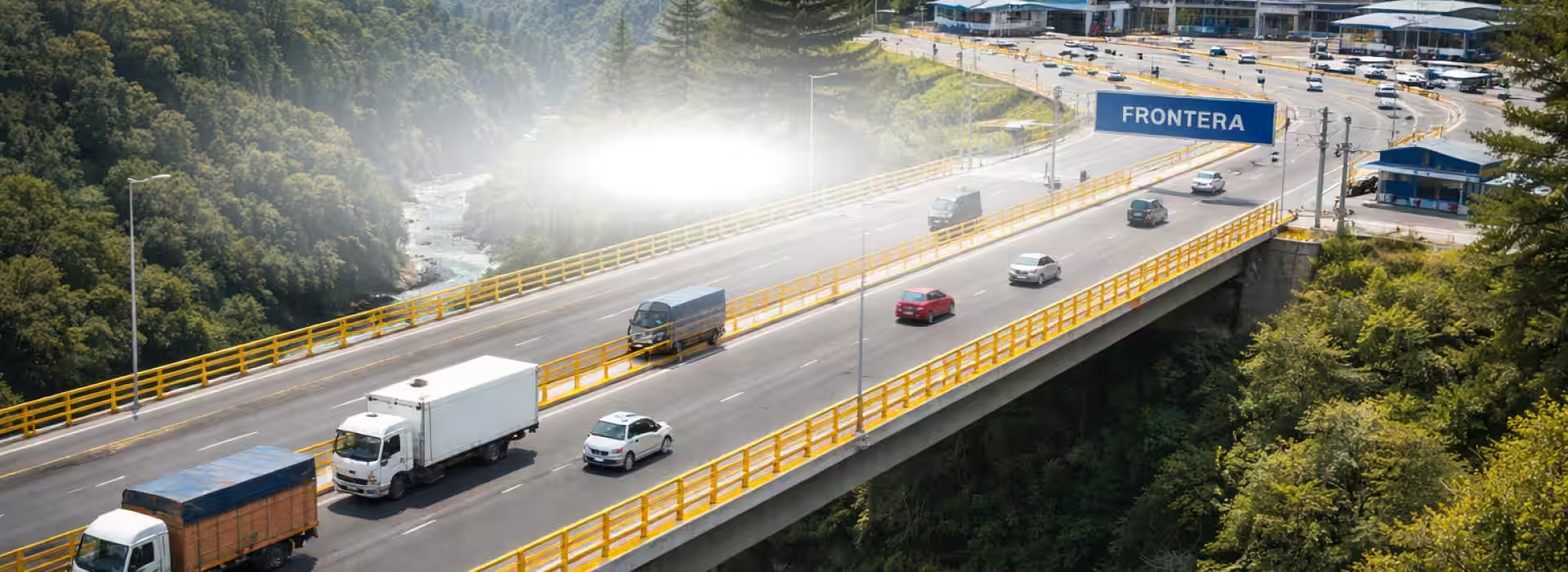
The logistics operation at the Port of Buenaventura, Colombia’s main maritime terminal on the Pacific, is experiencing a critical congestion situation that affects not only the flow of goods but also the efficiency of the entire foreign trade supply chain.
A Saturated Port: Ships and Trucks Waiting
Currently, around 29 to 30 vessels are anchored in the bay of Buenaventura, waiting for a berth to dock and unload cargo, due to the intensified port congestion in recent weeks.
This backlog comes amid high levels of congestion on the road accesses to the port. Heavy cargo carriers have reported up to five or seven hours of wait time to enter and exit the terminal, significantly reducing ground operational capacity.
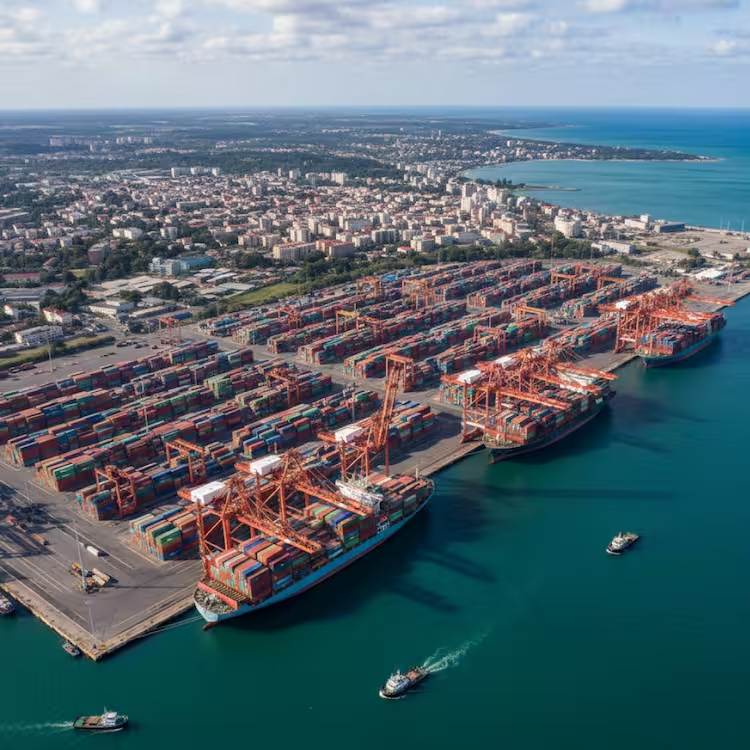
Causes of the Port Congestion
The congestion in Buenaventura is the result of several factors that have accumulated over recent months:
Over the past two years, the volume of cargo handled by the port has grown significantly, surpassing 23 million tons per year. This figure exceeds the current operational capacity of the terminal, which has contributed to the accumulation of containers in storage yards and to delays in vessel servicing.
Transport operators have carried out protests due to failures in container logistics and the deterioration of access roads, which has led to partial blockades that further slow down cargo entry and exit from the port area.
A prolonged rainy season has complicated port operations and the handling of certain sensitive cargo, including grains, minerals, raw materials for the poultry and swine industries, as well as imported vehicles.
Economic and Logistical Impacts
This situation has direct repercussions for the competitiveness of companies that depend on the timely movement of goods:
- Delays in the delivery of products and raw materials.
- Increases in operational costs due to longer waiting times and reduced efficiency in the logistics chain.
- A decrease in the operational capacity of transport operators, who are now able to complete fewer trips between Buenaventura and key destinations such as Yumbo.
The impact is felt not only in foreign trade activities, but also in productive sectors that require inputs to arrive on time in order to maintain their industrial processes.
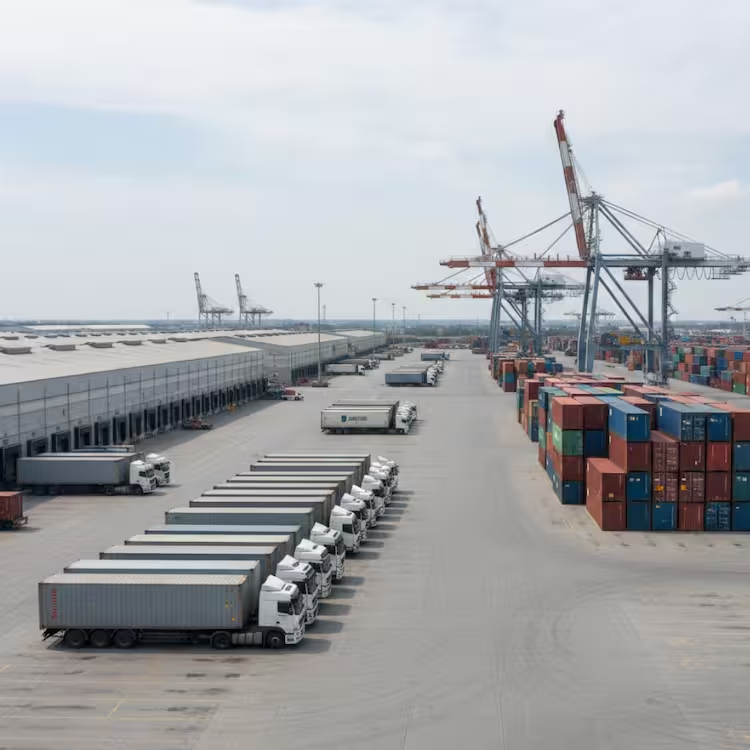
Avoid logistics overcosts: contact us and get expert advice to optimize every process.
Institutional Measures and Improvement Plans
In response to this situation, the National Government has announced and implemented several measures aimed at improving operations in Buenaventura:
- Logistics contingency plans have been established, including mandatory rules to optimize the return of empty containers and improve handling in truck appointment and staging areas.
- Authorities are seeking to ensure continuous operation in container yards and terminals in order to speed up cargo reception, unloading, and delivery processes.
- A Unified Command Post has been set up to coordinate on-site actions among entities such as the Ministry of Transport, the Superintendence of Transport, DIAN, and maritime authorities.
What Does This Mean for Your Company’s Supply Chain?
The congestion in Buenaventura highlights how even major logistics hubs can experience operational bottlenecks that disrupt cargo planning and delivery schedules. It also underscores the importance of working with partners capable of anticipating risks and adapting logistics strategies in complex environments.
If you need logistics that won’t stop when facing unforeseen events, write to us. Our team of experts is ready to advise you.
Conclusion
The logistics crisis at the Port of Buenaventura represents a significant challenge for Colombian foreign trade. The combination of operational pressures, weather conditions, infrastructure limitations, and access disruptions has generated congestion both offshore and on land, affecting timelines, costs, and overall supply chain efficiency.
Although authorities have activated contingency measures, the situation demonstrates the need for coordinated planning and proactive logistics management to minimize the impact of structural congestion scenarios.
Do you need reliable logistics for your imports or exports? At Fenix Global Cargo we offer maritime, air, and land transportation, as well as cargo insurance and customs operations.
- ¿Colapsa puerto de Buenaventura? congestión de camiones y de barcos hace lenta la operación
- Puerto de Buenaventura: 30 barcos siguen sin poder descargar mercancía
- Crisis en el Puerto de Buenaventura: Casi 30 barcos esperan en la bahía para descargar mercancía
- Crisis portuaria en Buenaventura: demoras en descarga afectan comercio exterior