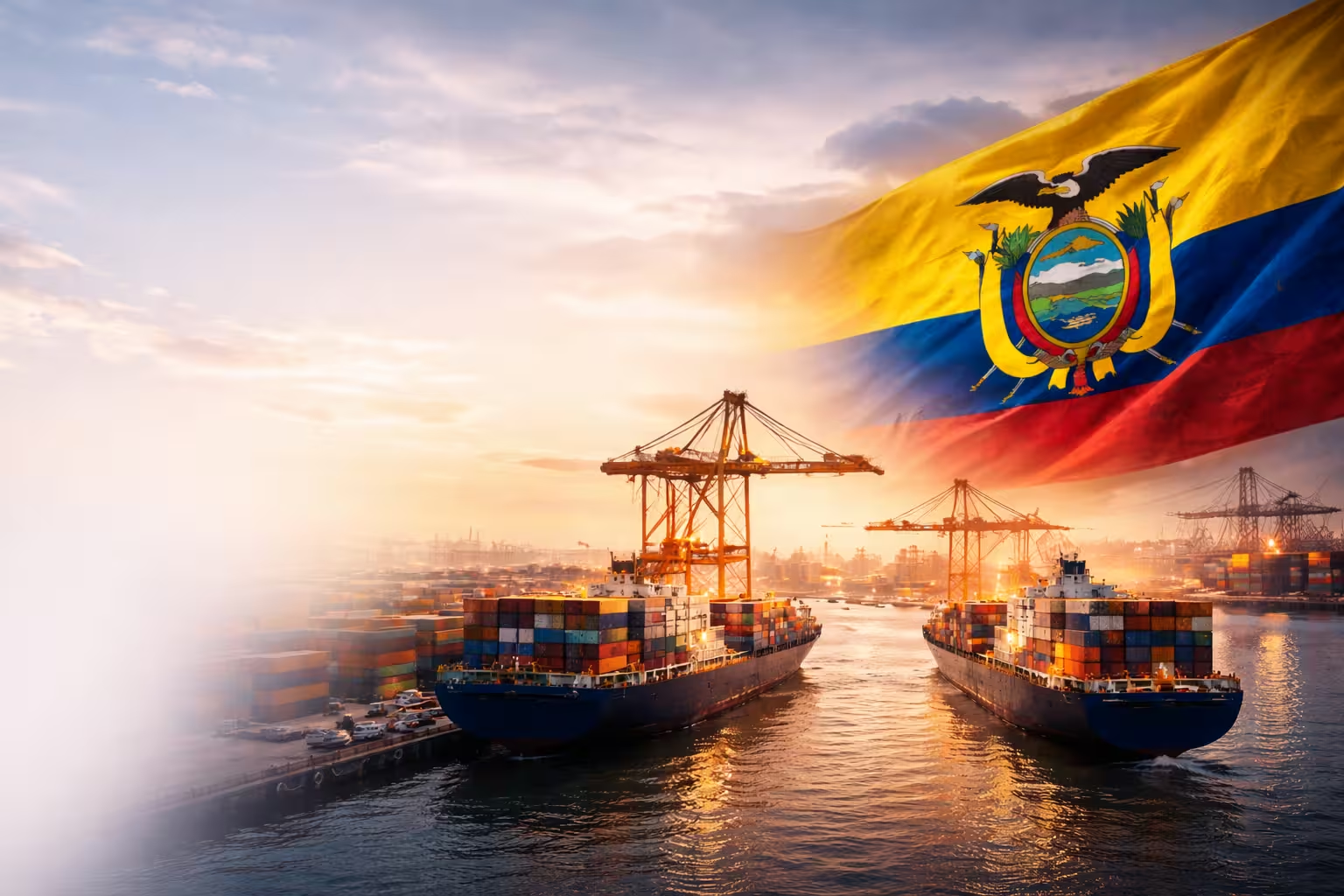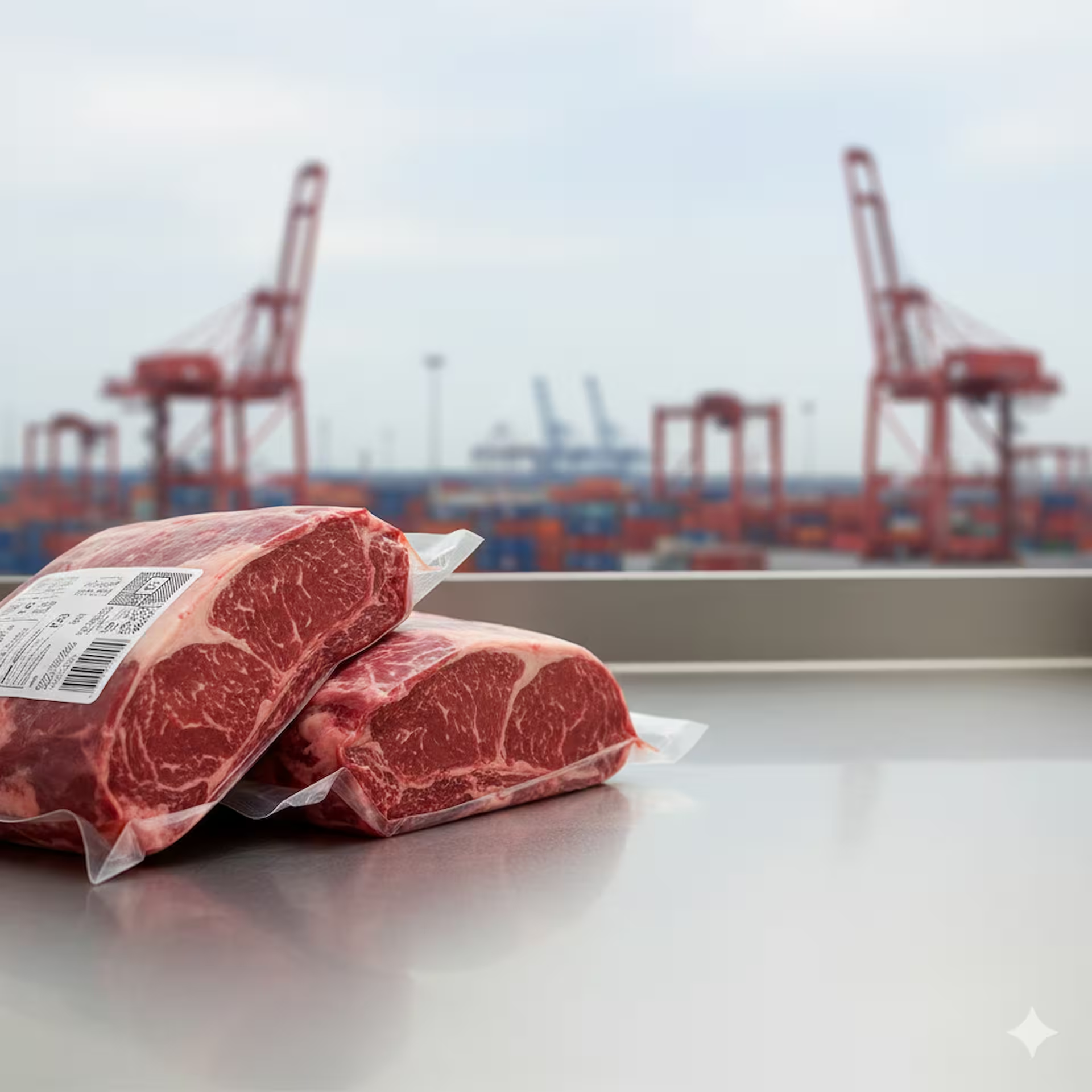
At the beginning of 2026, the global beef market has undergone an important shift that opens a strategic window for Colombia. China, the world’s largest importer of beef, has implemented a system of quotas and tariffs on imports from countries with a high market share, such as Argentina, Brazil, and Uruguay, limiting tariff-free access beyond those thresholds.
This scenario creates a competitive position for Colombia, which does not face additional tariffs because its historical participation in the Chinese market represents less than 3% of total imports.
Current Export Context
According to official trade data:
- From January to October 2025, China imported 16,006 tons of Colombian beef valued at USD 77.6 million.
- This volume exceeds exports to China in 2024, when 10,650 tons were shipped for a value of USD 41.3 million.
As a result, more than half of all Colombian beef exports during that period were destined for the Chinese market.
Growth Opportunity
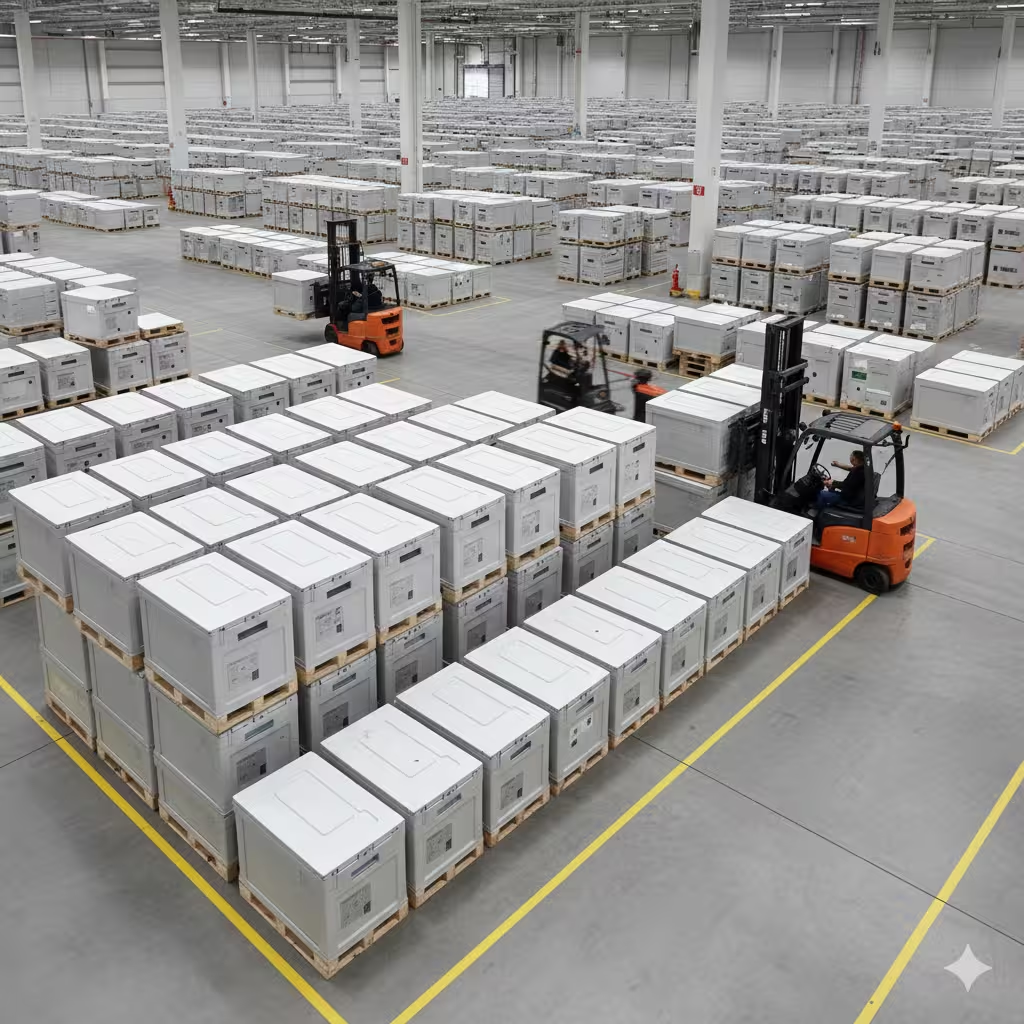
Fedegán estimates that in 2026 Colombia could export up to 50,000 tons of beef to China, provided that domestic price stability is maintained and the country can respond to demand with adequate logistical infrastructure. This growth would represent a significant increase compared to recent years and would position Colombia as a more consistent supplier in a market historically dominated by major regional exporters.

Challenges and Critical Factors
Despite favorable trade conditions, there are challenges that must be addressed to fully leverage this opportunity:
- National production capacity capable of sustaining higher volumes without compromising quality.
- Sanitary standards required by China, which demand technical coordination between cattle producers, meat processors, and authorities.
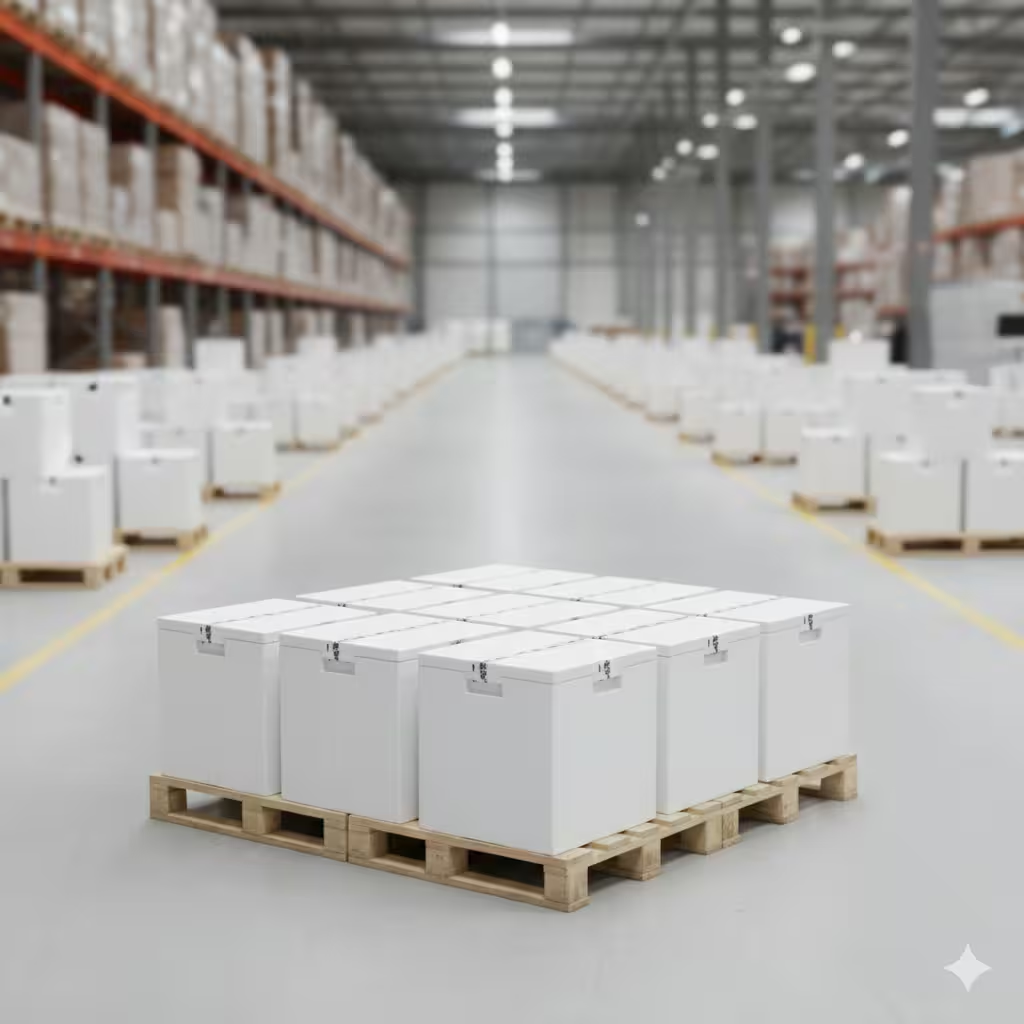
- International transportation logistics, ensuring proper transit times and strict cold-chain conditions.
Opinions and Reasonable Perspectives
1. Need to consolidate the production chain
The tariff advantage represents an opportunity that could be temporary if Colombia does not strengthen its production and logistics infrastructure.
2. Competition from traditional exporters
Although Argentina and Brazil face restrictions, their historical experience, scale, and logistics capabilities may allow them to remain strong players in global markets.
3. Importance of public-private coordination
Cooperation between industry associations, sanitary authorities, and foreign trade institutions will be key to sustaining export growth without technical disruptions.
(FAQ/Information)
Export with specialized logistics support
China’s new trade framework creates a clear opportunity for Colombian beef exports, but capitalizing on it requires strong international logistics, regulatory compliance, and precise operational planning.
Do you need reliable logistics for your imports or exports? At Fenix Global Cargo we offer maritime, air, and land transportation, plus cargo insurance and customs operations.
- Ganaderos en Colombia serán beneficiados por “sorpresa” de China con arancel a la carne importada – El Colombiano
- Cuotas y aranceles de China a la carne bovina generan nuevo escenario para Colombia – La Republica
- Colombia podría exportar hasta 50.000 toneladas de carne a China al no enfrentar aranceles según Fedegán – Infobae