Border crossing begins to normalize while tariff dispute persists
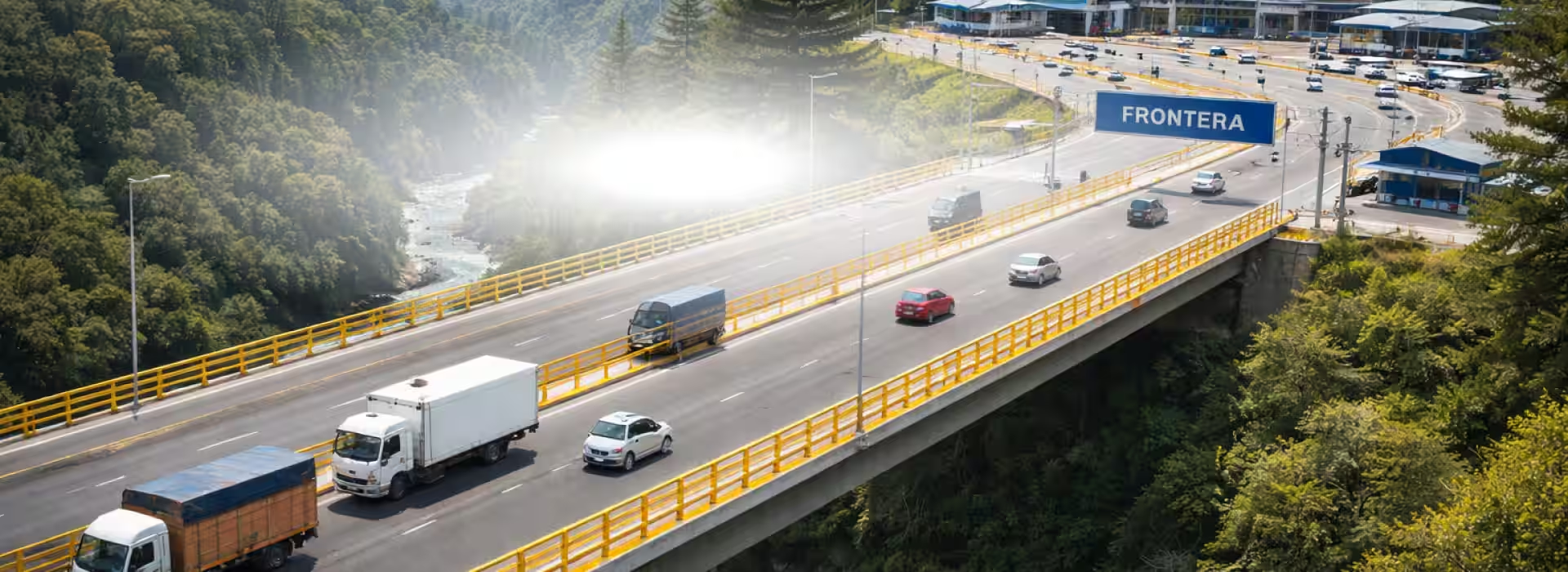
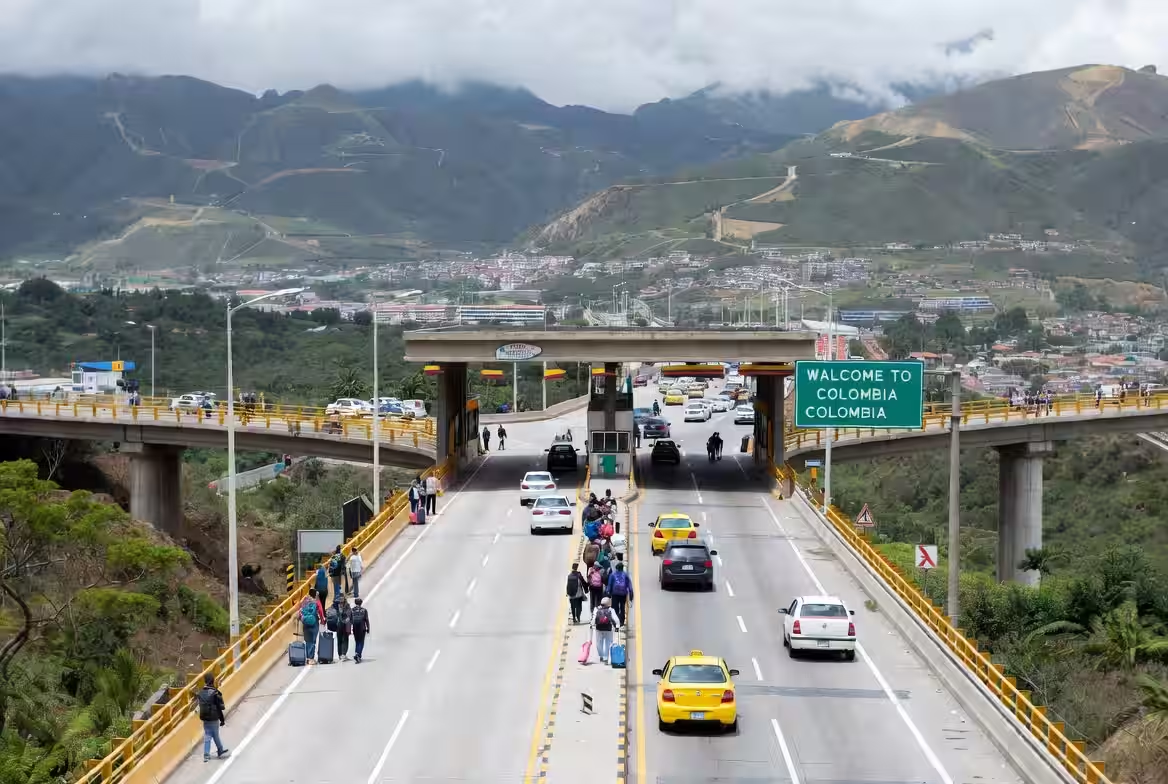
The Rumichaca border crossing, the main land connection between Colombia and Ecuador, began to normalize its operations after unions and worker organizations decided to lift the blockades that had restricted traffic in the area for several days. The international bridge, which connects Ipiales in Colombia with Tulcán in Ecuador, is one of the most important corridors for trade between both countries. During the blockade, the movement of cargo vehicles, passengers, and local commerce was significantly affected, generating economic impacts for transport companies and merchants in the border region. Although the lifting of the protests allows mobility to gradually return to normal, the commercial conflict that triggered the crisis has not yet been resolved.
Protests linked to the tariff conflict between Colombia and Ecuador
The demonstrations emerged amid a commercial dispute between the two countries related to tariff measures that have generated discontent among workers and productive sectors along the border
Several border unions have stated that these measures affect bilateral trade and reduce the flow of goods that usually circulate through the international bridge. According to sector representatives, the reduction in commercial activity has direct repercussions on employment and the local economy of border cities.
In this context, the blockades became a form of pressure intended to draw the attention of authorities to the situation affecting trade in the region.
Economic impact of the border shutdown
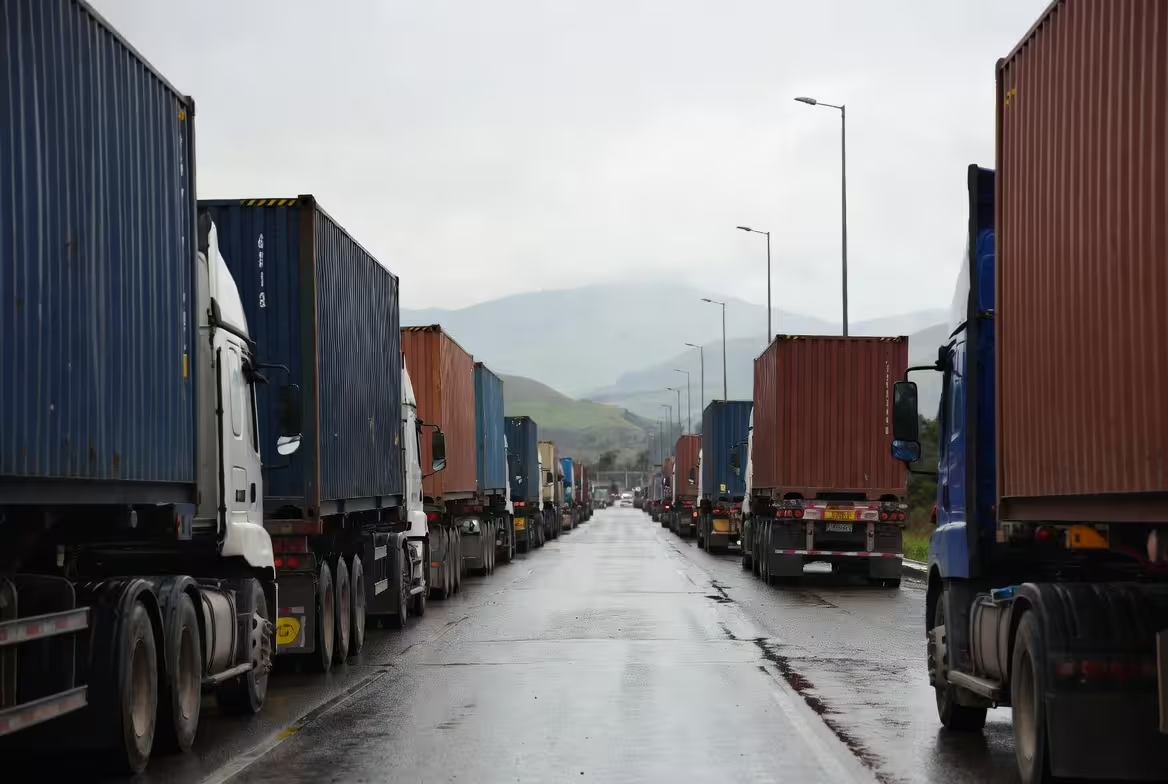
During the days of the blockade, the flow of goods through the main land crossing between the two countries dropped significantly, directly affecting transport operators, merchants, and companies involved in international trade. According to reports from trade associations and authorities cited by local media, the paralysis generated significant economic losses for sectors that depend on cross-border activity. The disruption also affected local businesses, logistics services, and customs operations located around the international crossing. Blockades of this type have an immediate impact on supply chains, since Rumichaca is one of the most frequently used land transport routes between Colombia and Ecuador.
Decision to end the strike
The unions behind the protest announced the suspension of the blockades in order to allow economic activity in the region to recover, especially ahead of the expected increase in tourism and commercial movement during the Easter holiday period. The decision seeks to reduce the economic damage that a prolonged closure of the crossing could cause to local economies, particularly in cities such as Ipiales, where commerce with Ecuadorian visitors represents a significant portion of local economic activity.
When routes get complicated, your logistics needs reliable allies.
Trade dispute remains unresolved
Although traffic across the international bridge has resumed, border trade groups have warned that the underlying issue remains unresolved as long as the tariff measures that sparked the protests continue in place. For now, the reopening of the crossing provides temporary relief for trade and mobility along the border. However, the future of commercial exchange between Colombia and Ecuador will depend on the decisions their governments make regarding the ongoing tariff dispute.
Possible implications for regional logistics
The following section contains interpretations and possible scenarios based on the situation described above. These assessments are speculative in nature, do not constitute confirmed facts, and should not be interpreted as official or definitive information.
The temporary disruption of the Rumichaca crossing highlights how trade conflicts and local protests can affect key logistics corridors for regional commerce. When a strategic point in the land transportation chain is blocked, companies that depend on that corridor may face delivery delays, changes in logistics routes, and higher operating costs. For companies that manage foreign trade operations between Colombia and Ecuador, these scenarios reinforce the need for logistics planning, constant risk monitoring, and strategies that allow them to quickly adapt to disruptions in transportation flows.
Your cargo, always protected. Plan and secure your deliveries without interruptions!
- Gremios levantan el paro en Rumichaca, que bloqueó por 18 días la frontera entre Ecuador y Colombia
- Se levantan bloqueos en frontera con Ecuador tras 19 días de protestas: pérdidas serían de 95 millones de dólares
- Levantan bloqueos en la frontera entre Ecuador y Colombia, pero sigue el conflicto arancelario entre los dos países