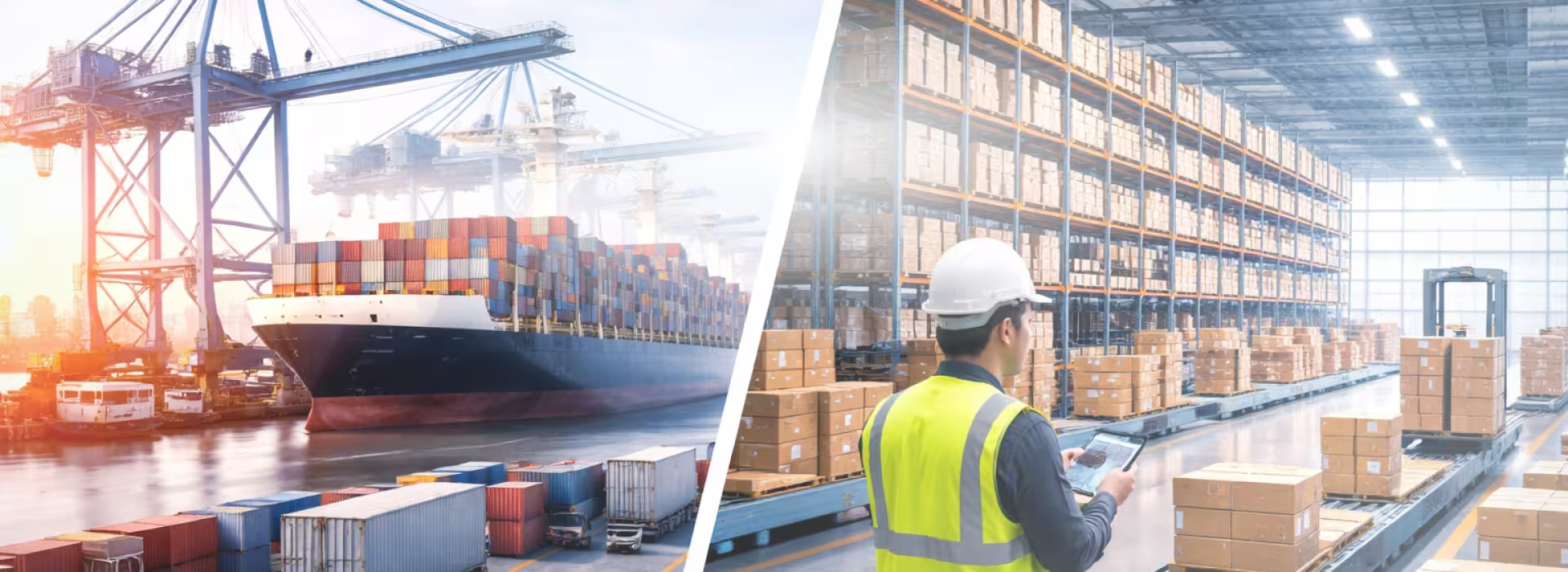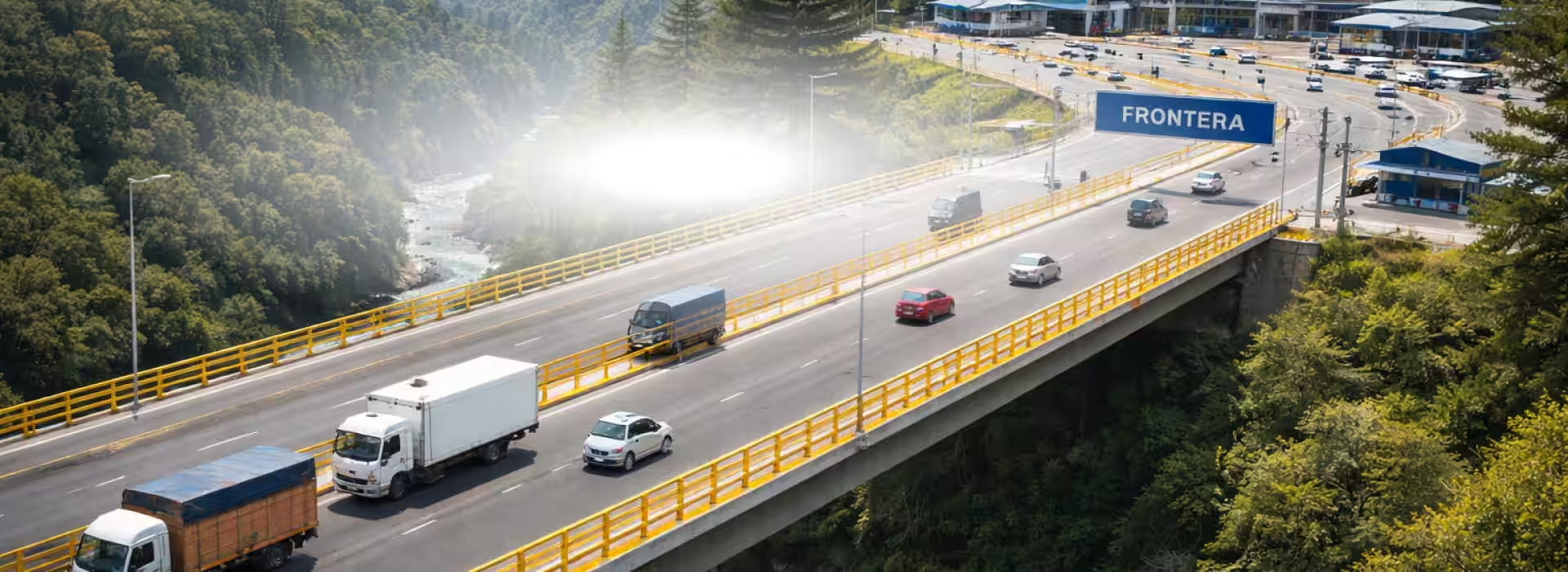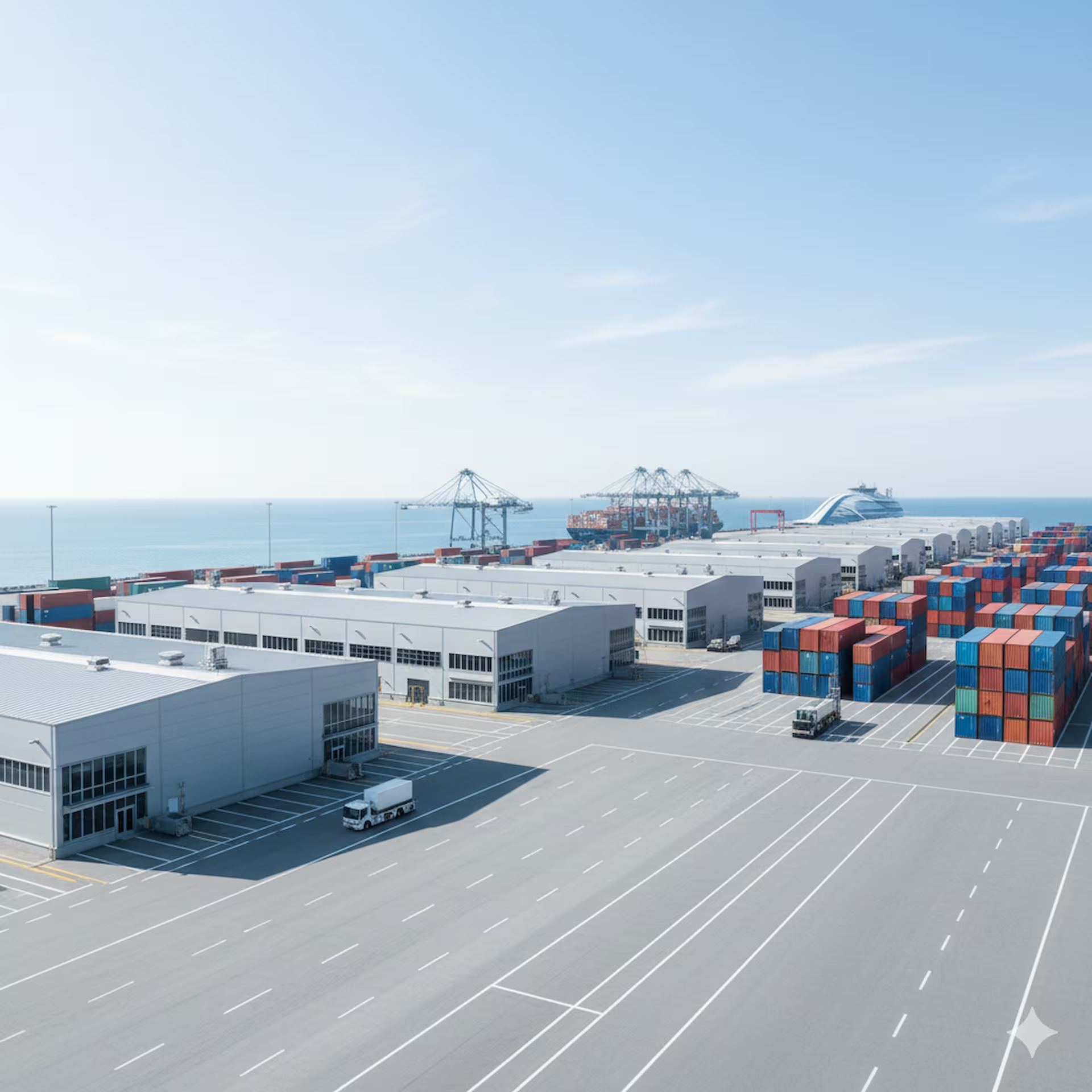
For many years, international logistics has been mistakenly reduced to a single concept: moving goods from one place to another. However, global trade institutions agree on a key point: logistics is a strategic system that supports international trade, not merely an operational service.
Organizations such as the World Bank and UNCTAD define logistics as the set of processes that enable trade to flow efficiently, securely, and in compliance with regulations. Transportation is only the most visible component of a much broader structure.
Logistics as a system, not a route
According to the World Bank, logistics integrates planning, coordination, documentation, risk management, regulatory compliance, and time control. These elements determine whether an international trade operation is competitive, especially in markets where margins for error are minimal.
UNCTAD reinforces this view by describing logistics as a trade enabler, directly affecting costs, reliability, and market access.
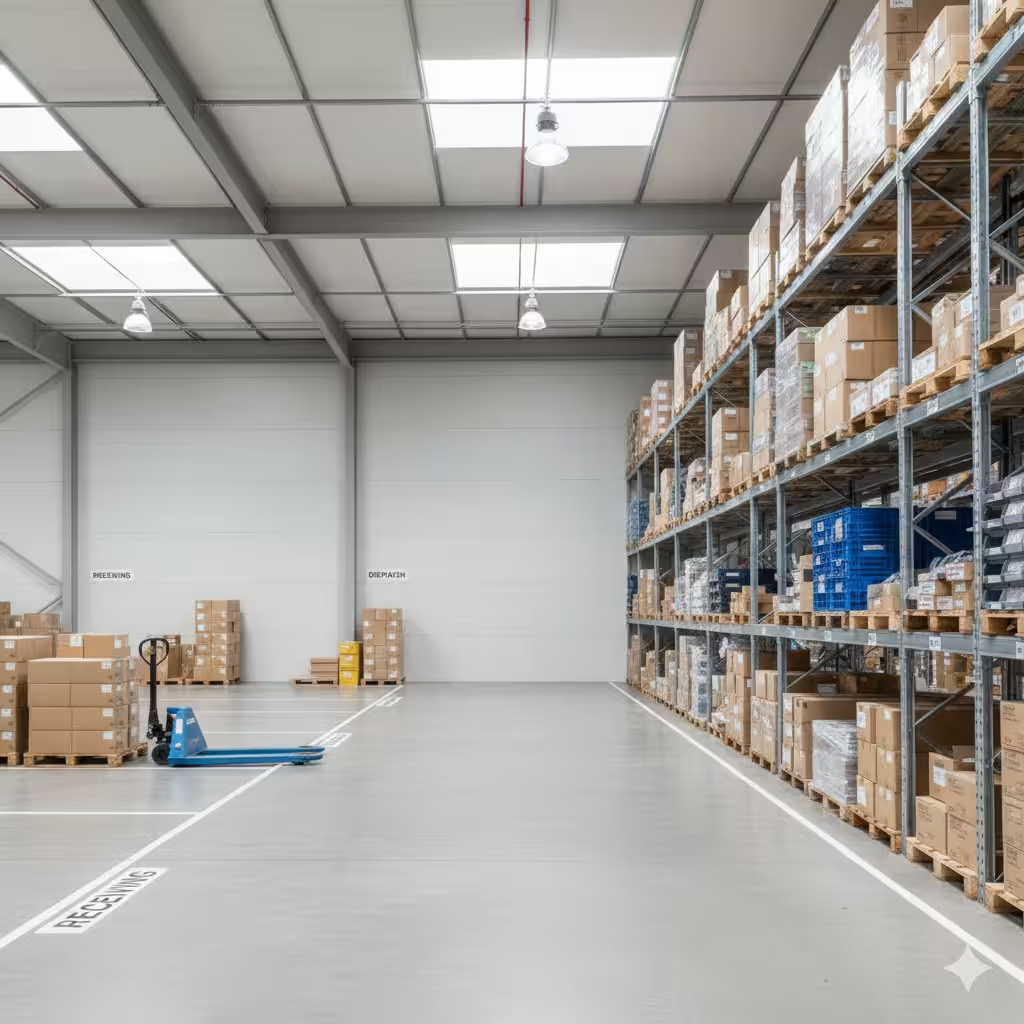
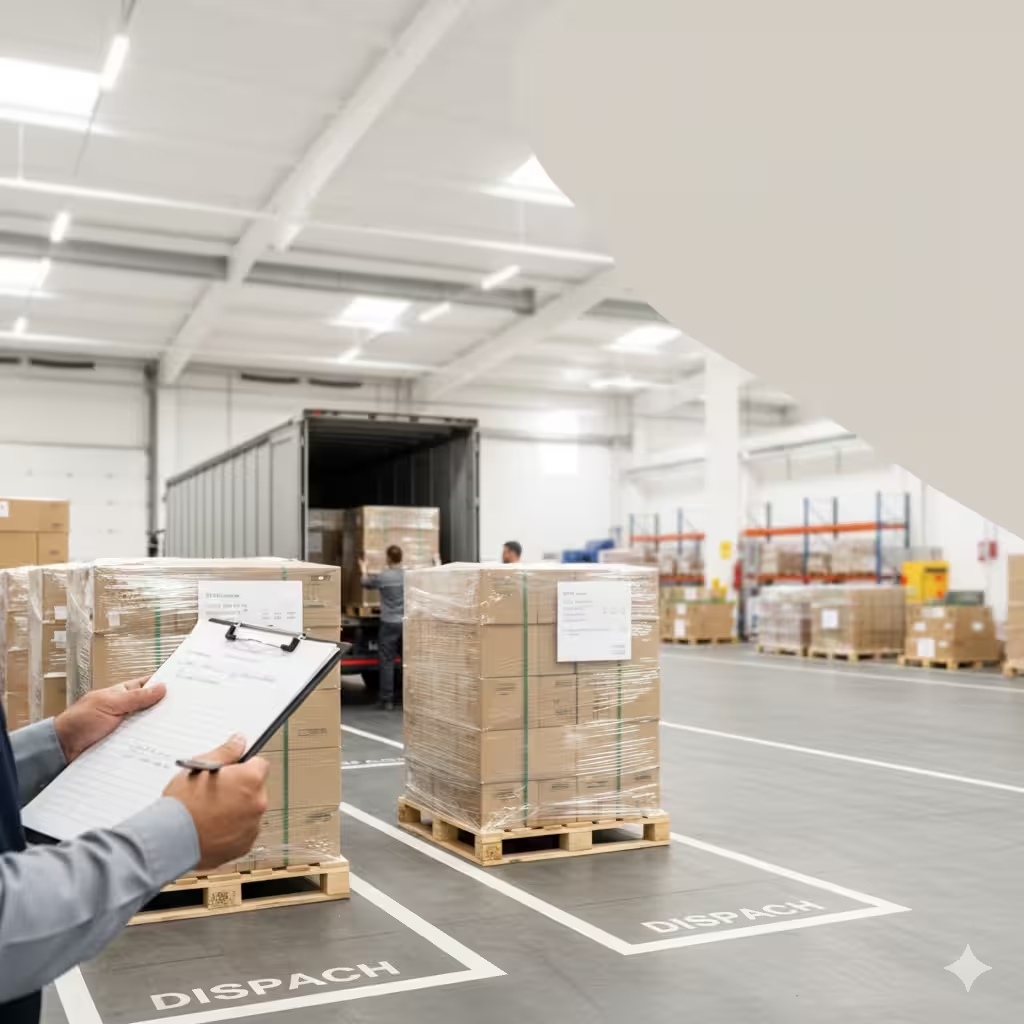
Coordination and performance: the real differentiator
The World Bank’s Logistics Performance Index (LPI) measures logistics performance through factors that go far beyond physical transport, including:
- Efficiency of customs processes
- Quality of logistics infrastructure
- Coordination among stakeholders
- Reliability of delivery times
The OECD complements this approach by highlighting coordination as a critical factor for integration into global value chains. Poor coordination can lead to delays, additional costs, and loss of competitiveness, even when transportation itself operates correctly.
Regulatory compliance as a core logistics function
Through the Trade Facilitation Agreement, the World Trade Organization emphasizes that modern logistics must ensure regulatory compliance at every stage of an operation. This includes accurate documentation, transparent procedures, and alignment with international regulatory frameworks. The World Customs Organization further stresses the strategic role of customs in supply chain security and trade facilitation, making customs management a central logistics function.
Risk management in logistics chains
ISO standards such as ISO 31000 and ISO 28000 establish that logistics systems must incorporate formal risk management mechanisms. These risks may include:
- Regulatory non-compliance
- Operational disruptions
- Supply chain security threats
- Financial impacts from delays or errors
Strategic logistics does not merely respond to problems—it anticipates and mitigates them.
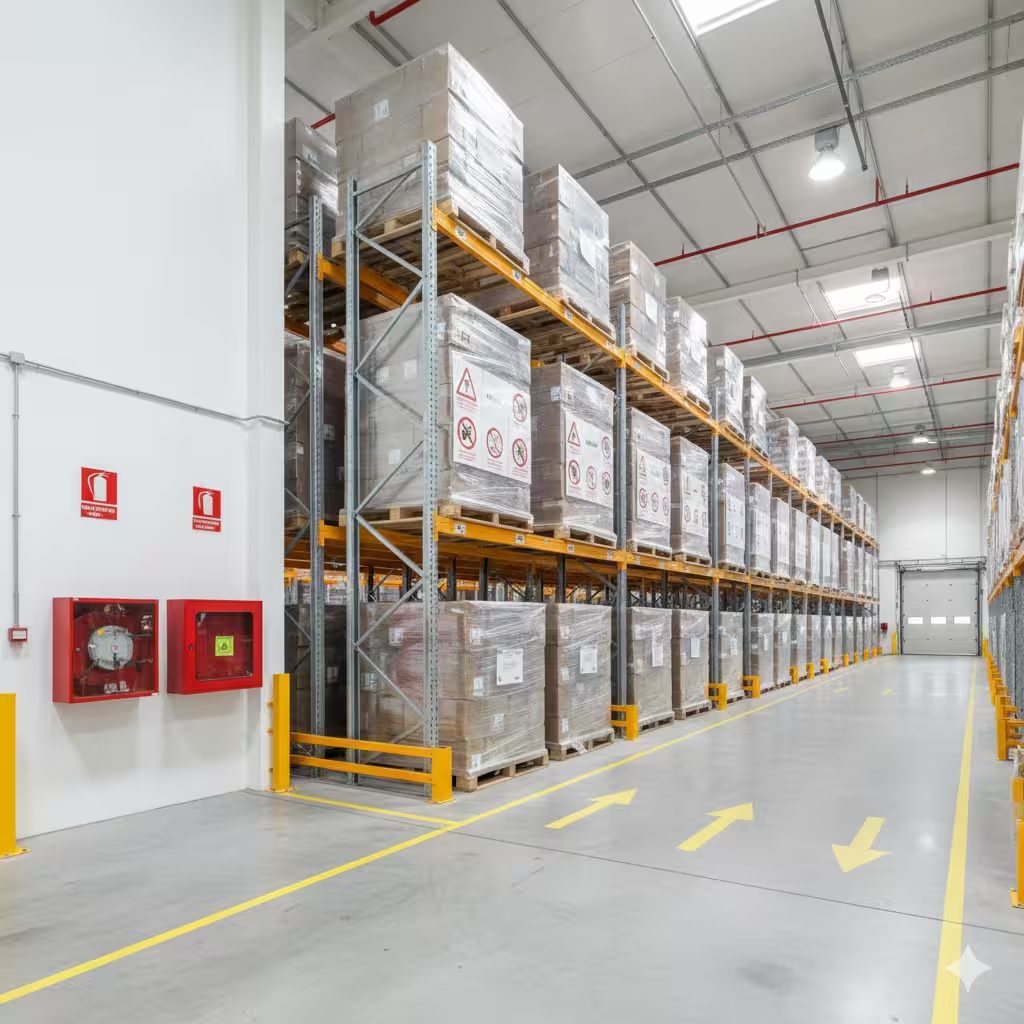
Logistics as a competitive advantage
UNCTAD and the World Bank agree that well-managed logistics enables companies to integrate more effectively into international trade, reduce uncertainty, and make better operational and financial decisions. In this context, logistics moves beyond being an unavoidable cost and becomes a strategic asset.
The role of the logistics agent
This is where the logistics agent becomes essential. Beyond transportation coordination, a specialized agent orchestrates processes, manages risks, ensures regulatory compliance, and optimizes time and resources.
At Fenix Global Cargo, logistics is approached as an integrated system that connects operations, regulation, and strategy—supporting companies at every stage of international trade with a structured and professional perspective.
Do you need reliable logistics for your imports or exports? At Fenix Global Cargo we offer maritime, air, and land transportation, plus cargo insurance and customs operations.
- World Bank – Trade Facilitation and Logistics
- World Bank – Logistics Performance Index (LPI)
- World Bank – Logistics as a backbone of international trade (Open Knowledge Repository)
- World Trade Organization (WTO) – Trade Facilitation Agreement
- UNCTAD – Transport and Trade Logistics
- UNCTAD – Review of Maritime Transport
- World Customs Organization (WCO) – Role of Customs in Supply Chain Security and Trade Facilitation
- OECD – Trade Facilitation and Global Supply Chains
- ISO – ISO 31000 Risk Management
- ISO – Supply Chain Security (ISO 28000)