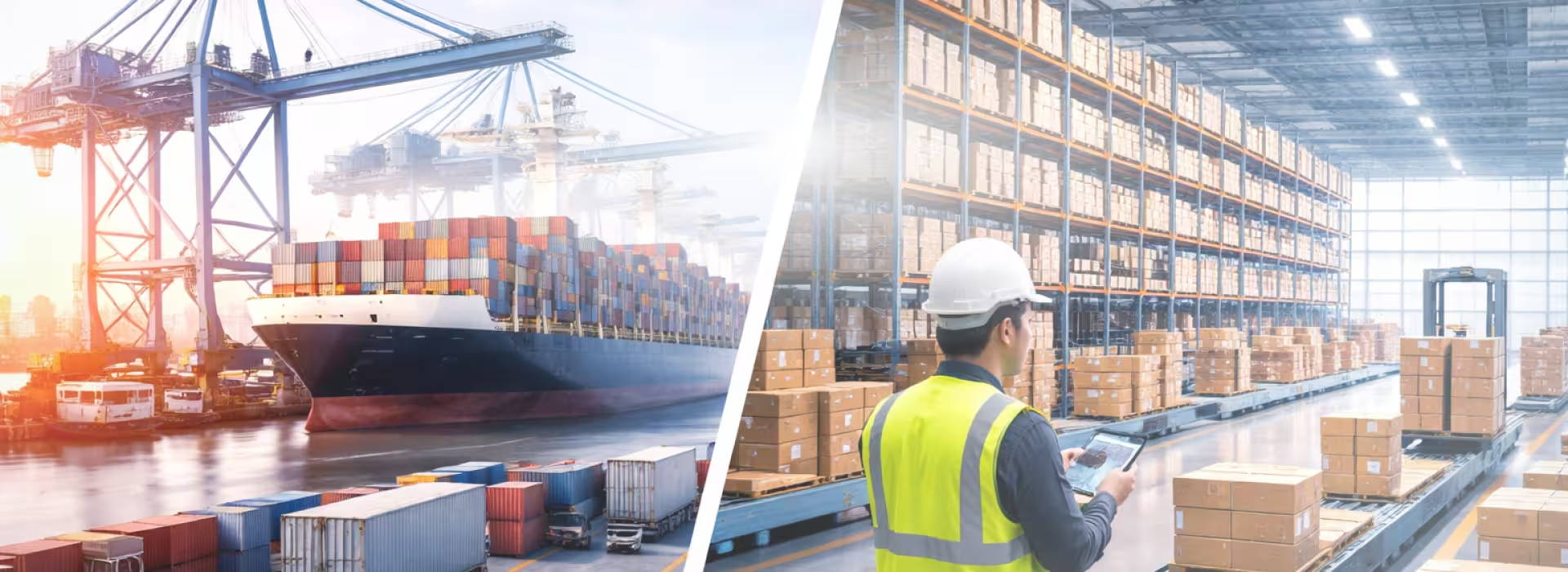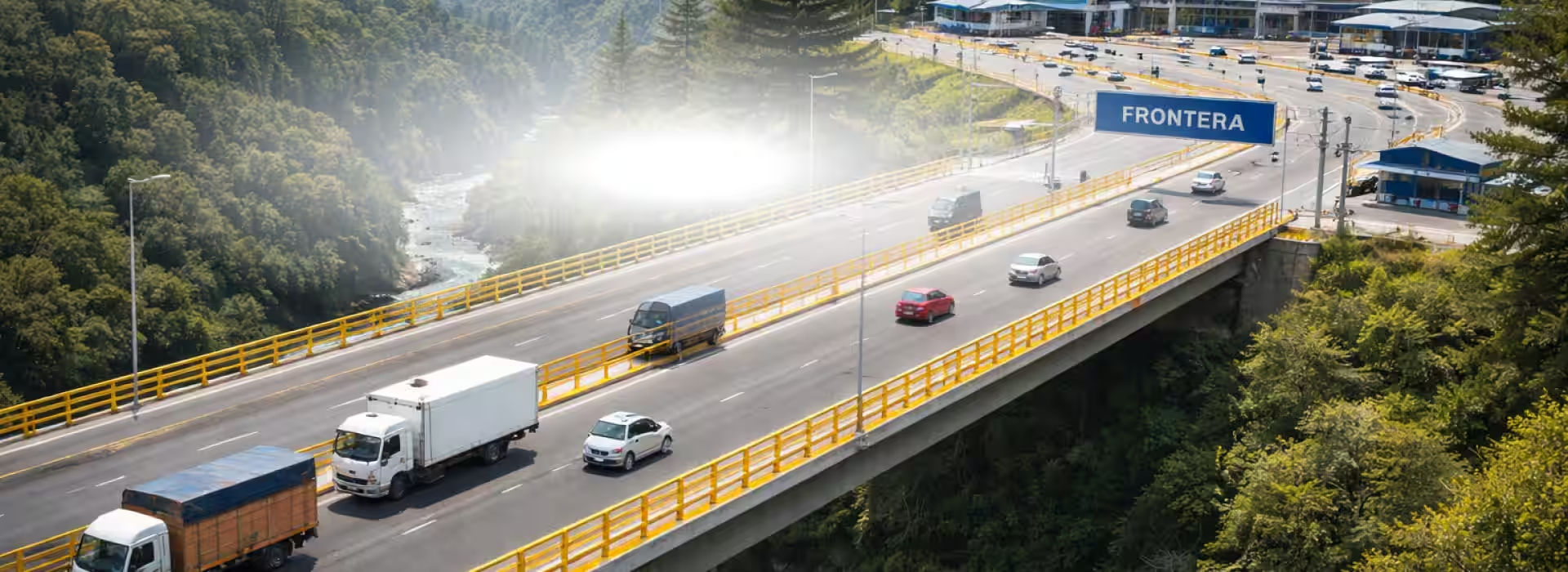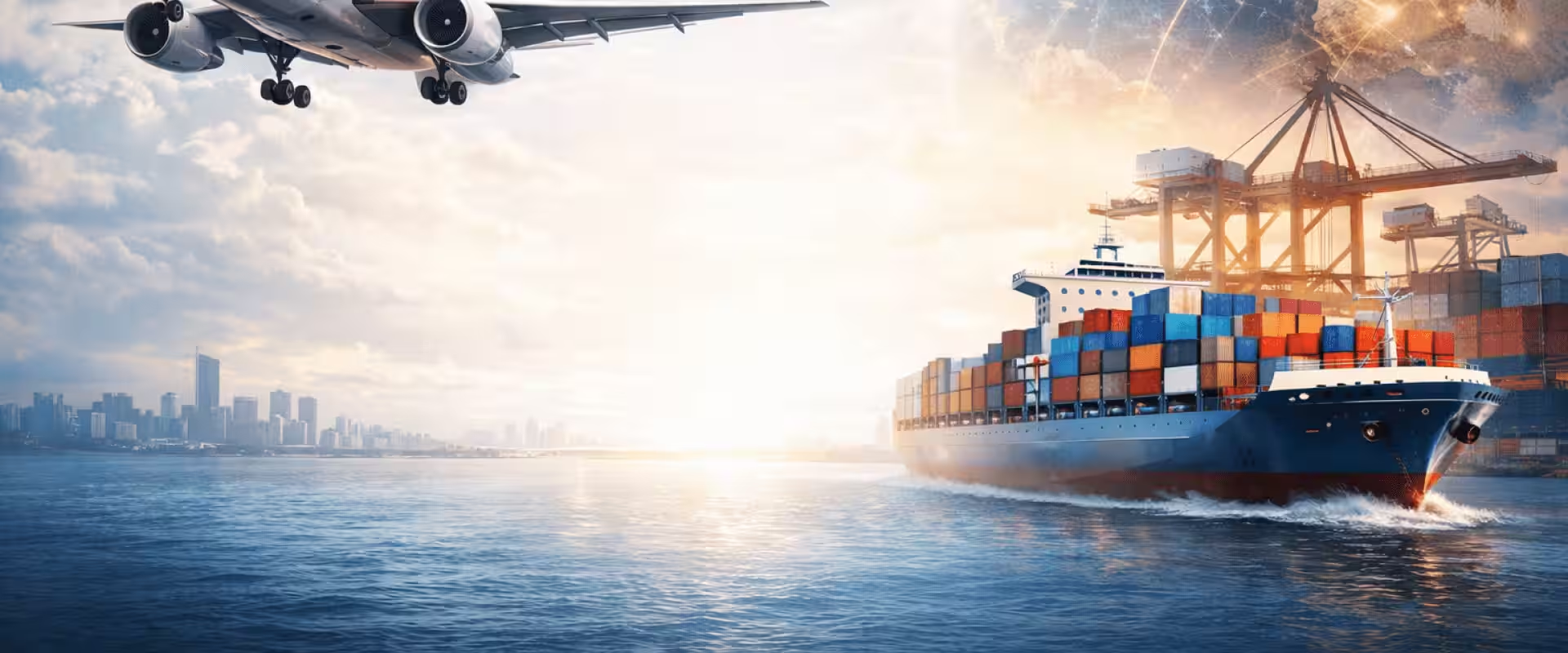
International logistics is one of the silent pillars of global trade. Although it is rarely visible to the final consumer, delivery times, product costs, supply chain continuity, and the competitiveness of companies in international markets all depend on it. Understanding how it works and what elements compose it is not only relevant for large corporations, but also for SMEs and entrepreneurs seeking to import or export efficiently.
This article clearly and structurally explains what international logistics is, its main components, and why proper logistics management makes a difference in any foreign trade operation.
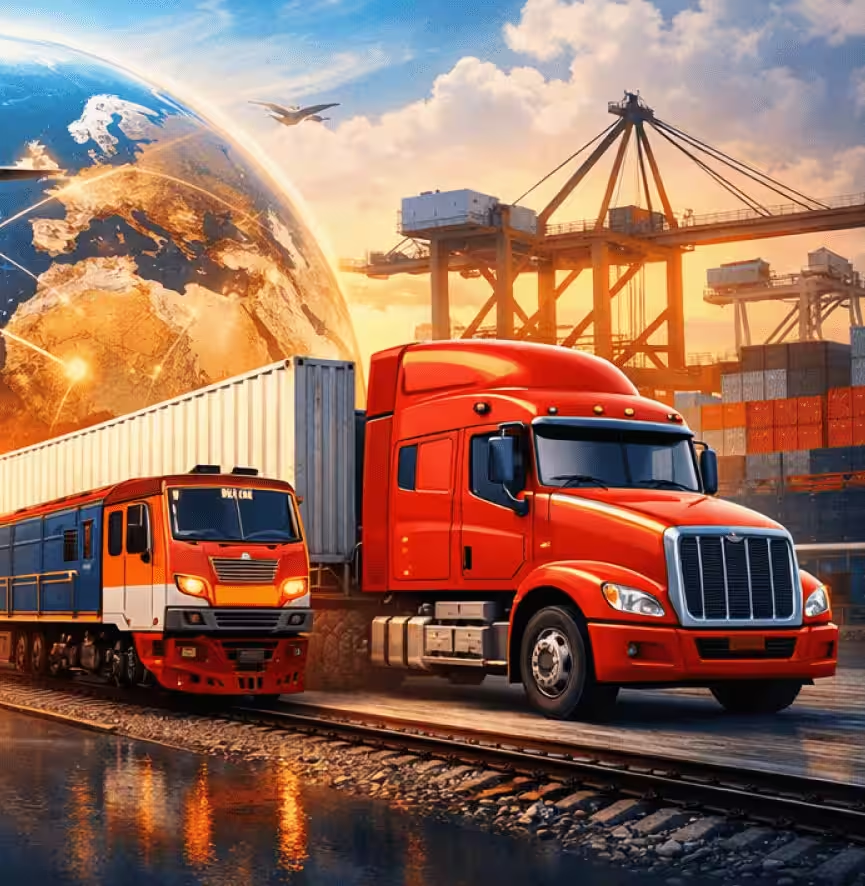
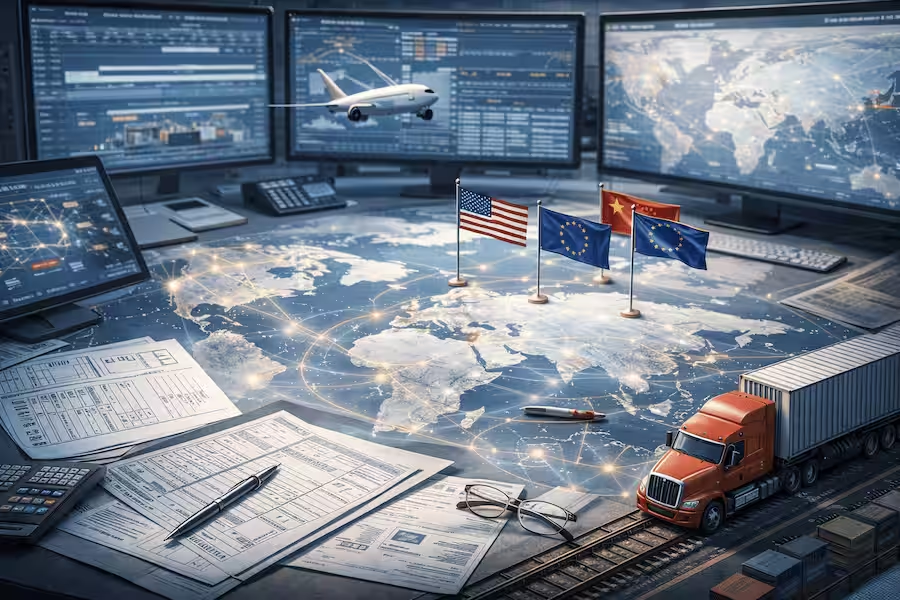
Do you need reliable logistics for your imports or exports? At Fenix Global Cargo we offer maritime, air, and land transportation, plus cargo insurance and customs operations.
What is international logistics?
International logistics is the set of processes, decisions, and operations required to plan, execute, and control the movement of goods between two or more countries. It includes transportation, storage, documentation management, customs procedures, insurance, and coordination among multiple actors throughout the chain.
Unlike domestic logistics, international logistics faces higher levels of complexity due to factors such as:
For this reason, a poorly planned international logistics operation can generate additional costs, delays, penalties, or even the total loss of the goods.
The main components of international logistics
To understand how international logistics works, it is essential to know its key elements. Each one fulfills a specific function within the chain.
It is the central axis of any logistics operation. International transportation can be carried out through different modes, depending on the type of cargo, origin, destination, and budget:
- Maritime transportation: ideal for large volumes and heavy cargo. It is the most widely used in global trade.
- Air transportation: recommended for urgent, high-value, or perishable goods.
- Land transportation: essential for regional operations and as a complement to maritime or air transportation.
The choice of transport mode directly impacts costs, timeframes, and risks.
All goods crossing a border must comply with specific customs regulations. Customs management includes:
- Correct tariff classification of the goods.
- Payment of taxes and duties.
- Submission of mandatory documentation.
- Compliance with sanitary, technical, or security regulations.
An error at this stage can stop an entire operation.
International logistics requires precise and consistent documentation. Among the most common documents are:
- Commercial invoice.
- Packing list.
- Bill of lading or air waybill.
- Certificates of origin.
- Insurance policies.
Each country may require additional documents depending on the type of product.
In many cases, goods do not move directly from origin to final destination. Temporary storage in ports, free trade zones, or distribution centers allows for consolidation, deconsolidation, or redistribution of cargo according to the logistics strategy.
International transportation involves risks such as damage, loss, or theft. Having adequate insurance is not an unnecessary expense, but a financial protection tool against unforeseen events.
Why is international logistics strategic for companies?
Efficient logistics management not only reduces costs, but also generates clear competitive advantages:
- Improves delivery punctuality.
- Reduces legal and financial risks.
- Enables more accurate inventory planning.
- Facilitates expansion into new markets.
In an increasingly demanding global environment, logistics ceases to be merely an operational area and becomes a strategic factor.
Common mistakes in international logistics
Many companies make mistakes that directly affect their operations:
- Underestimating the complexity of customs procedures.
- Choosing transportation solely based on price rather than suitability.
- Failing to properly insure goods.
- Lack of documentary planning.
Avoiding these mistakes requires knowledge, experience, and specialized support.
Do you need reliable logistics for your imports or exports? At Fenix Global Cargo we offer maritime, air, and land transportation, plus cargo insurance and customs operations.

The importance of having a logistics partner
International logistics involves multiple constantly changing variables: regulations, rates, routes, timeframes, and risks. Therefore, having a reliable logistics partner allows companies to focus on their core business while experts manage the operation from start to finish.
A specialized logistics operator not only executes transportation, but also advises, prevents risks, and optimizes each stage of the process.
Conclusion
International logistics is much more than moving goods from one country to another. It is a complex system that connects markets, reduces distances, and makes global trade possible. Understanding its fundamentals is key to making better decisions, minimizing risks, and building sustainable operations over time.
Investing in a well-structured logistics operation is not a cost: it is a strategic decision that directly impacts the competitiveness and growth of any company.
Do you need reliable logistics for your imports or exports? At Fenix Global Cargo we offer maritime, air, and land transportation, plus cargo insurance and customs operations.