

The Context: Weak Dollar During Valentine’s Season
In the run-up to Valentine’s Day, one of the most important moments for Colombian floriculture, the sector faces a complex scenario: the decline of the dollar against the peso. According to information published by El Tiempo, more than 80% of the country’s flower exports are destined for the United States. This means that most of the sector’s revenues are received in dollars.
When the exchange rate falls, the effect is direct: when converting those revenues into Colombian pesos, producers receive less. According to figures cited in the publication, an average reduction of 100 pesos in the exchange rate could represent up to 250 billion pesos less in annual income for the sector.
Other factors mentioned in the same report include:
- Increase in the minimum wage.
- Persistence of a 10% tariff to enter the U.S. market.
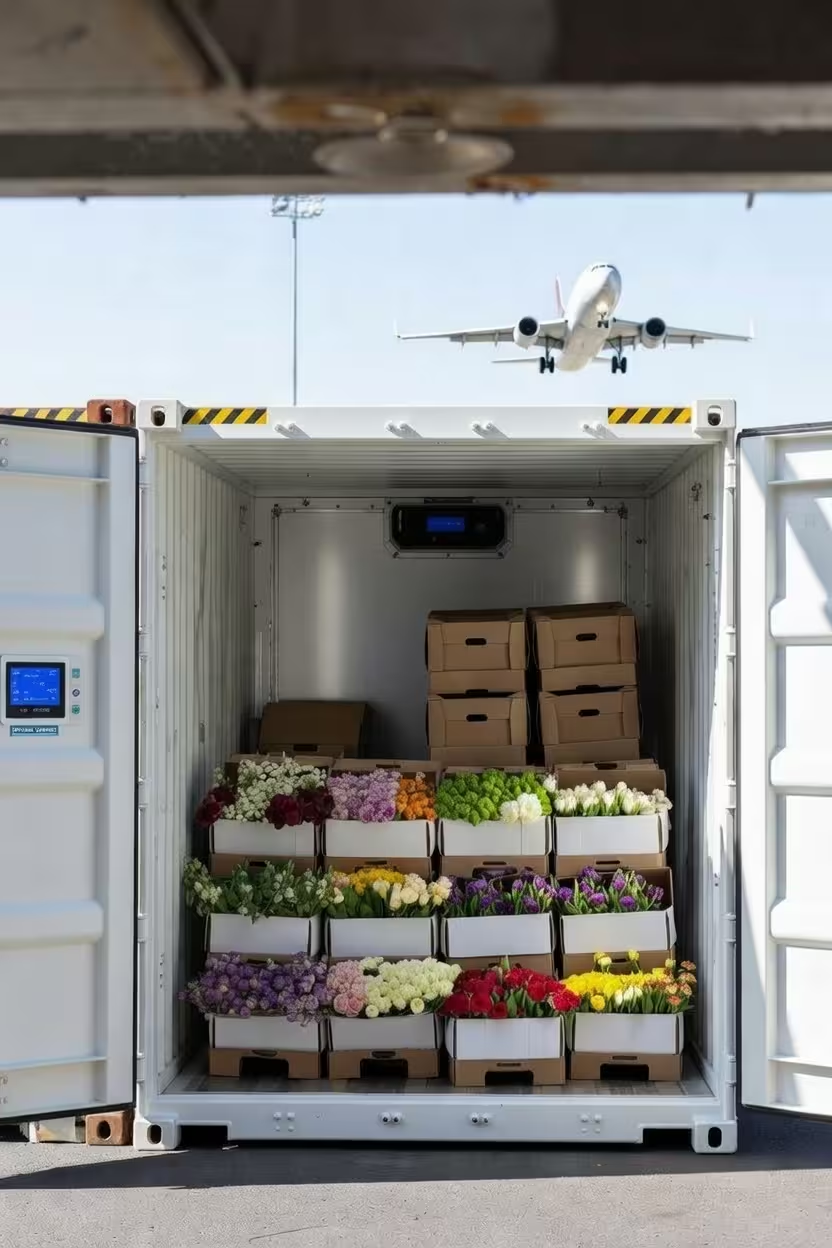
- High dependence on air exports during peak season.
The scenario, therefore, is not only exchange-rate related. It is structural.

What Does This Mean from an Operational Logistics Perspective?
When the dollar falls and internal costs rise, margins shrink.
And when margins shrink, every operational decision carries more weight.
In sectors such as floriculture, where:
Operational efficiency stops being a differentiator and becomes a strategic necessity.
It is not only about selling more.
It is about protecting the margin per exported box.
Peak Season with Greater Operational Pressure
Valentine’s Day implies demand peaks, increased use of air capacity, and strong pressure on dispatch times.
In a context of a weak dollar:
- The same export volume generates lower income in pesos.
- Labor costs may increase.
- Operational errors have a greater impact on profitability.
For that reason, aspects such as:
- Early planning of air slots.
- Precise coordination between cutting, packing, and dispatch.
- Documentation management without reprocessing.
- Efficient consolidations.
become decisive.
One hour of delay in a perishable product does not only affect quality.
In tight margins, it also impacts cash flow.
Structural costs: what cannot be controlled and what can
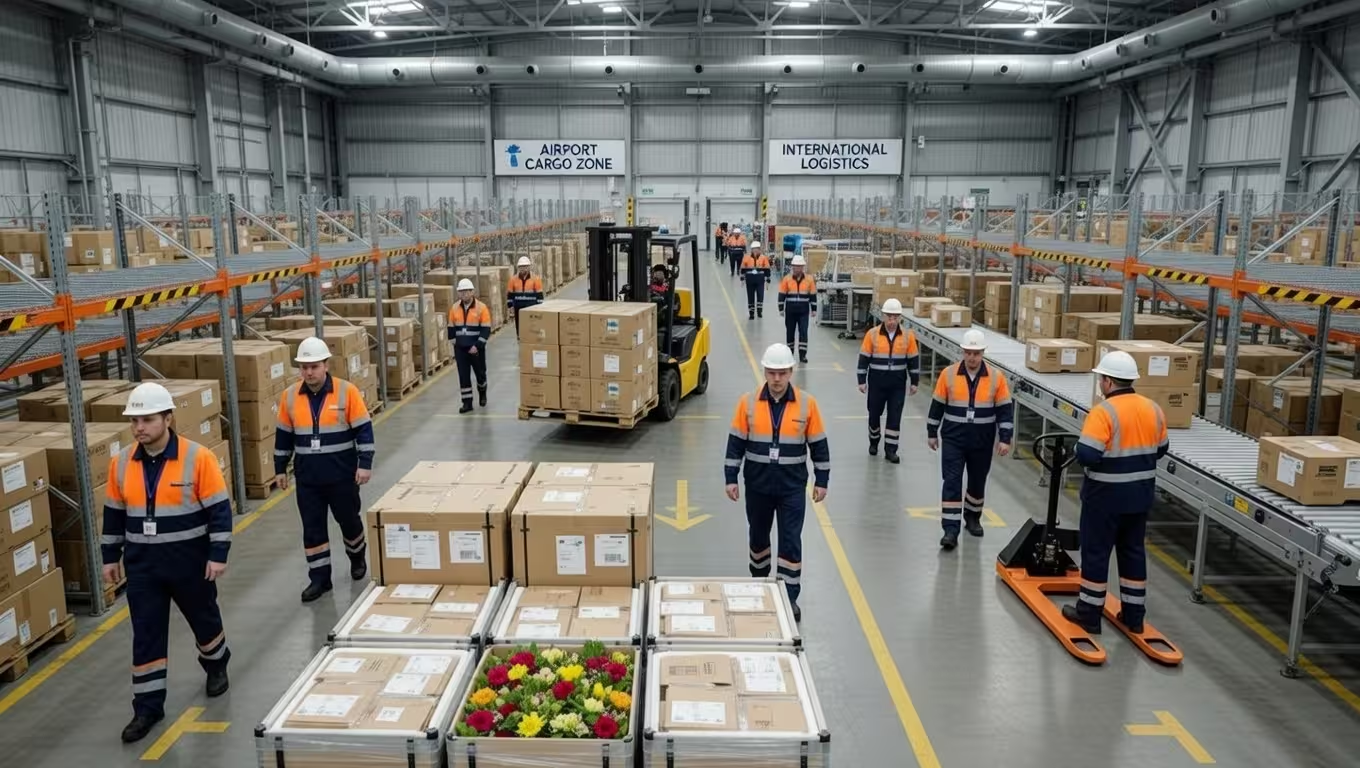
Exporters cannot control the exchange rate, unilaterally modify tariffs, or define wage policies. These are external variables that directly influence profitability but remain outside their operational control.
What they can manage is their logistics chain.
In volatile exchange rate scenarios, improving transit times, reducing unnecessary storage, avoiding urgency surcharges, and minimizing documentary errors can help cushion the financial impact. When margins shrink due to external factors, operational efficiency becomes a strategic element.
Logistics ceases to be merely a transportation process and becomes a margin protection tool.
Clarification about this analysis
The content presented in this article corresponds to a logistics interpretation based on economic information published about the situation of the Colombian floriculture sector during the Valentine’s season. It does not constitute official projections or definitive statements and should be understood as a contextual technical analysis.
Strategic reflection for exporters
In an environment where income in local currency may decrease, internal costs tend to rise, and dependence on the U.S. market is significant, reviewing the logistics operation is not a minor adjustment but a strategic decision. Assessing what proportion of the total cost structure corresponds to logistics, identifying recurring surcharges, strengthening advance planning during peak season, and improving coordination between production and dispatch can create meaningful differences in final profitability.In high-volume exports such as Colombian flowers, small efficiencies multiplied by scale can generate significant financial impact.

