
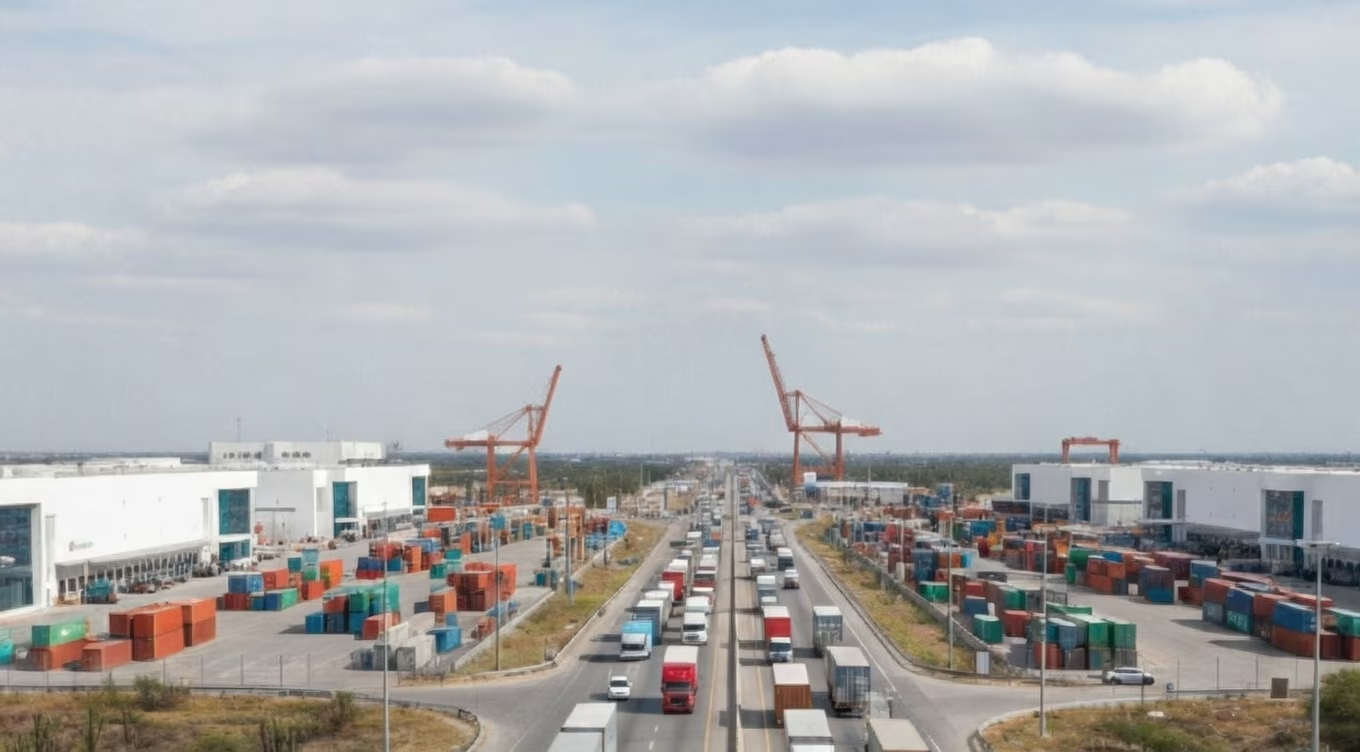
The trade relationship between Ecuador and Colombia has entered a new phase of tension following the announcement of tariff and energy measures adopted by both governments in January 2026. The introduction of 30% tariffs and the suspension of electricity exports represent a significant shift in the bilateral trade framework, with direct implications for regional logistics. These decisions have been officially confirmed and are already generating tangible effects on costs, trade flows, and operational planning for companies operating between both countries.
Confirmed measures and immediate effects
The implementation of a 30% tariff on bilateral imports directly increases customs clearance costs. This adjustment affects ongoing operations, previously negotiated contracts, and pricing structures built under different regulatory conditions.
Additionally, the suspension of electricity exports from Colombia to Ecuador interrupts an active energy flow and constitutes a concrete operational change within the bilateral relationship, particularly relevant for energy-dependent sectors.
Is your logistics operation ready for unexpected regulatory changes?
Logistics implications: possible scenarios
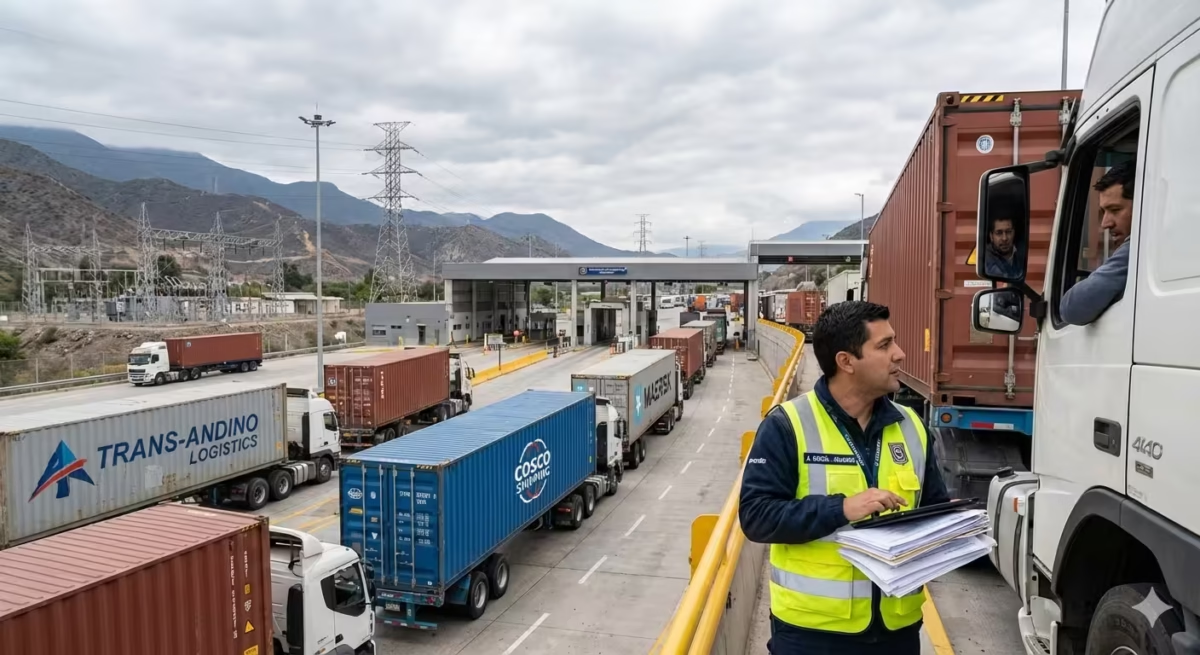
Beyond confirmed effects, the current regulatory environment gives rise to possible logistics scenarios, which do not represent confirmed facts but are commonly observed in similar trade tension contexts. There may be increased pressure on customs processes, including additional document checks, inspections, or longer clearance times at key border crossings. Such conditions often translate into operational delays and higher coordination requirements.
Some companies may also consider adjustments to their logistics planning, including route changes, shipment frequency modifications, or inventory level reviews as precautionary measures in response to higher costs or regulatory uncertainty. From an energy perspective, if the electricity suspension persists, it could indirectly affect logistics operations that rely on continuous power supply, such as cold storage facilities, distribution centers, or port operations. The real impact will depend on the duration and scope of the measure.
Logistics planning must adapt when trade conditions change.
A logistics perspective on the scenario
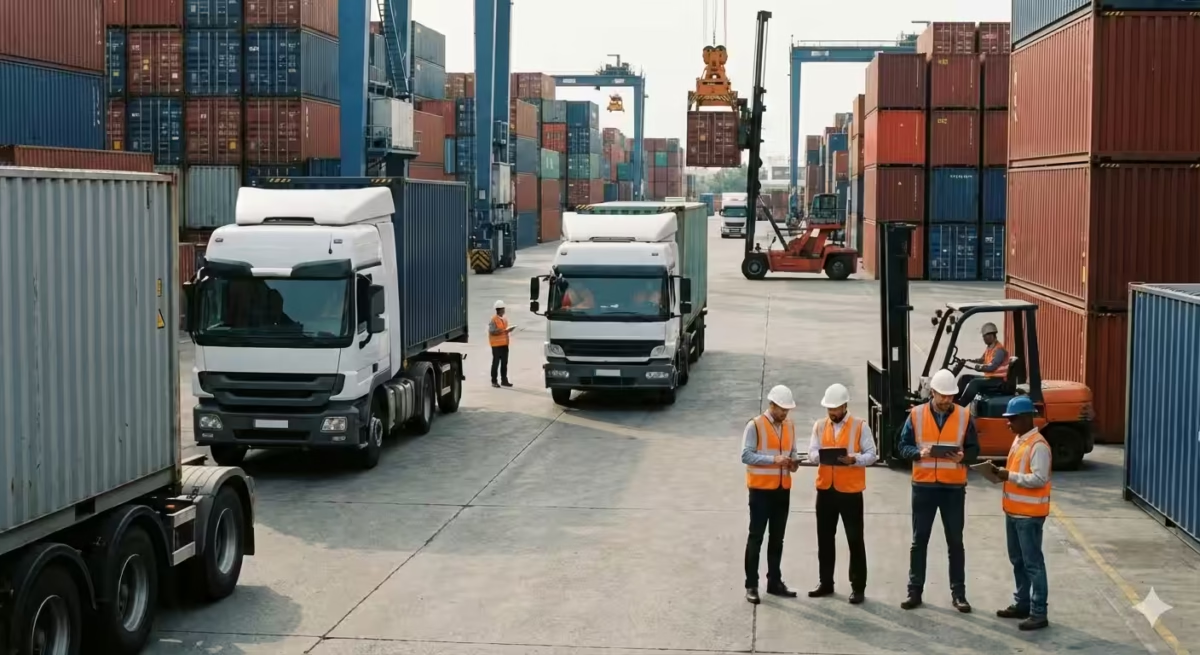
Regardless of the diplomatic outcome, this situation highlights a structural reality of international trade: logistics management extends beyond transportation and requires constant adaptation to regulatory, political, and operational changes.
For companies operating between Ecuador and Colombia, close monitoring of official measures, cost reassessment, and flexible planning will be critical to maintaining operational continuity in the short and medium term.
At Fenix Global Cargo, we support international operations navigating changing regulatory environments.
- Ecuador Announces Trump-style Tariffs On Colombia Over Drugs
- Colombia Halts Power Exports to Ecuador, Imposes Counter Tariffs
- Ecuador announces 30 percent tariff on Colombia over drug trafficking
- Colombia-Ecuador trade row deepens as Bogotá imposes retaliatory tariffs
- Colombia halts electricity sales to Ecuador and imposes tariffs in trade, drug trafficking spat

