

After six years without face-to-face meetings, Presidents Donald Trump and Xi Jinping have agreed to a trade truce that suspends reciprocal port tariffs between both powers for one year. The agreement includes tariff reductions, anti-drug cooperation, agricultural purchases, and partial relief on restrictions related to strategic minerals.
Although the deal offers temporary relief, it does not resolve the structural tensions that have been reshaping global maritime logistics. For Colombia, the impact remains significant
Tariffs Suspended, But Not Forgotten
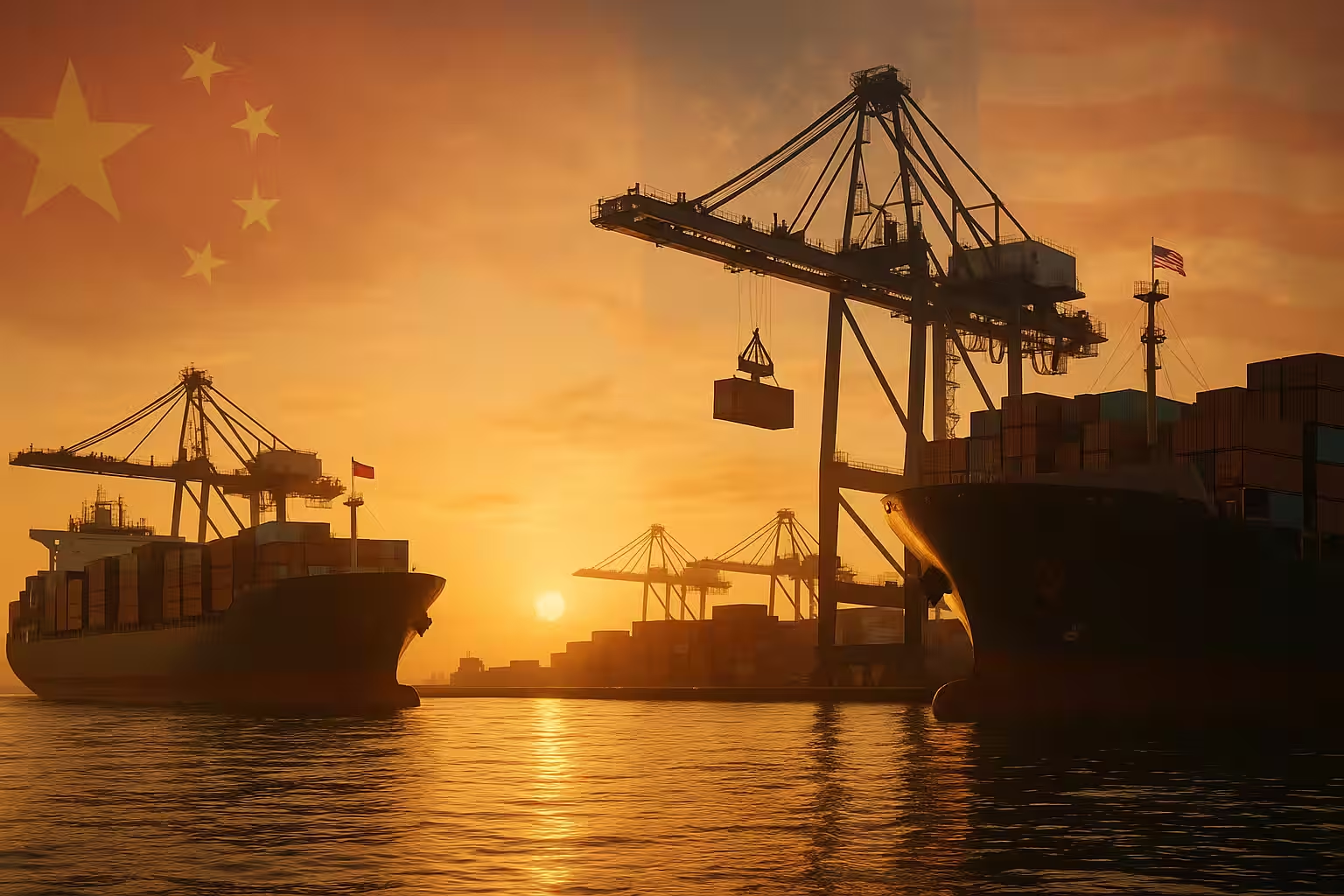
According to China’s Ministry of Commerce, Washington will pause for one year the special surcharges applied to Chinese vessels arriving at U.S. ports. In turn, Beijing will suspend its countermeasures against U.S. ships.
This halts—for now—the escalation that had triggered complex logistical maneuvers, such as the withdrawal of China-built vessels from U.S.-bound routes, transshipments through neutral ports like Busan (South Korea), and the cancellation of calls at Chinese ports by Western carriers.
And What About Freight Rates and Traceability?
Although the tariffs are suspended, the operational effects do not disappear overnight. Shipping lines had already reconfigured routes, adjusted fleets, and modified their traceability systems. This has led to:
- Difficulties in logistics traceability due to schedule uncertainty, vessel changes, and practices such as blank sailings (cancellation of scheduled departures).
- Increases in freight rates—not due to direct tariffs, but as a result of cumulative costs from transshipments, extended transit times, and itinerary reorganization.
For Colombian importers, this continues to represent an operational risk that demands strategic attention.
What Should Colombian Importers Keep in Mind?
The suspension of tariffs is good news, but it does not guarantee stability. Structural tensions between the U.S. and China persist, and many American companies continue to diversify their supply chains outside of Asia.
In this context, having an exporter who anticipates these changes, manages alternative routes, and maintains proactive communication makes a real difference. The current landscape demands logistics partners who understand global dynamics and can adapt with agility.

